
grape ape weed strain

Hybrid

Grape Ape

4.8 (247 reviews)

Grape Ape is a mostly indica cannabis strain, known for its award-winning genetics and distinct grape-like smell. Apothecary Genetics created it in the early 2000s. Grape Ape is typically made by crossbreeding Skunk (hybrid), Afghani (indica landrace), and Mendocino Purps (indica-dominant hybrid). 

About Grape Ape Strain

A quick overview of the Grape Ape strain:

  • Type: Predominantly indica
  • THC Range: 18%-20%
  • Dominant terpenes: Myrcene (herbal), Pinene (pine), Caryophyllene (pepper)
  • Aroma and Flavor Profile: sweet grape and berry notes

This popular strain offers a decent potency, with a high to moderate THC level, making it favorable amongst many cannabis consumers. Grape Ape is widely available in multiple formats such as flower, concentrates, cartridges, and disposable vapes. 

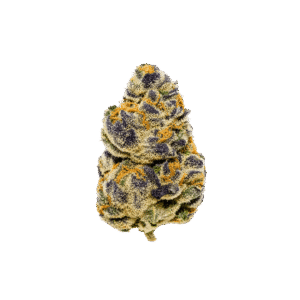
While Grape Ape is known for it’s recogniseable grape flavor, the physical appearance of the flower is also unforgettable. The buds predominantly have deep purple hues with occasional dark green hues. Some buds might also have vibrant pistils (hair-like strands) that range from red to orange shades. Grape Ape flower is on the compact side, with a dense bud structure. The buds are coated in a rich trichome layer, giving the nugs a shiny, glistening look.

Grape Ape Cultivation Notes

  • Genetics: An indica-dominant hybrid (Mendocino Purps x Skunk x Afghani), relatively easy to grow — a forgiving strain well-suited to growers with some experience.
  • Climate: Prefers a warm-to-cool climate outdoors (65-80°F / 18-27°C) with cooler nighttime temps late in flowering to bring out its deep purple coloring. Moderate humidity through veg, lowered in flowering.
  • Growth pattern: Short, stocky, bushy structure with minimal stretch — very similar growth habit to Granddaddy Purple. Heavy lateral branching with dense, chunky buds that often need support once they fill out.
  • Flowering time: Around 7-9 weeks indoors — on the shorter side; outdoor harvest typically late September to early October.
  • Yield: Moderate yields — generally a bit less generous than Granddaddy Purple, though still solid for an indica-dominant strain.
  • Susceptibility: Dense buds are prone to mold and bud rot in humid conditions, so airflow management matters. Otherwise fairly resilient and low-maintenance.
  • Nutrients: Responds well to standard feeding schedules; doesn’t have unusual or finicky nutrient demands.
  • Training techniques: LST and topping help open up the dense canopy for light penetration; SCROG works well given its short, bushy growth habit. Branch support is common once colas get heavy.
  • Temperature swings: Like GDP, it’s notable for developing deep purple/grape hues when exposed to cooler nighttime temps during late flowering — a trait growers often encourage intentionally for bag appeal.

Grape Ape Strain Terpene Profile

Art piece made up of triangles

Find The Artist Tree
Near You

We have 11 locations in California. Stop in to see what’s new! Plus we offer Daily Deals up to 50% off on top brands.