
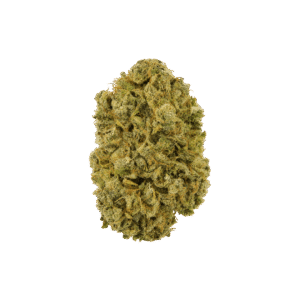
durban poison

Hybrid

Durban Poison

4.8 (247 reviews)

Durban Poison is a pure landrace sativa, which means it wasn’t engineered and bred like most strains on dispensary shelves. It developed naturally over centuries in the hills outside Durban, South Africa, adapting entirely on its own to the region’s warm, coastal climate. It made its way out of South Africa in the late 70s, when international collaborators brought seeds abroad and began fine-tuning the plant’s resin output and flowering time without altering its core genetics. 

About Durban Poison Strain

Here’s a quick snapshot of the Durban Poison strain:

  • Type: Pure sativa landrace

  • THC Range: 15%–26%

  • Dominant Terpenes: Terpinolene, Myrcene, and Ocimene

  • Aroma: Sweet anise and licorice, with sharp pine and citrus underneath

That preservation effort is a big part of why Durban Poison remains one of the few widely available strains that can still credibly call itself unhybridized, even decades into an industry that’s crossbred almost everything else into oblivion. Durban Poison itself is the foundational backbone of many modern hybrids.

Terpinolene does most of the heavy lifting when it comes to aroma. It’s a less common dominant terpene compared to the myrcene or limonene that headline most modern hybrids, and the one responsible for Durban Poison’s distinctive sweet, herbal, almost black-licorice character.

THC generally runs between 15% and 26%, which is unusually high for a landrace. Structurally, Durban Poison grows tall and lean, true to its unhybridized sativa roots, with oversized, glassy resin glands and a dramatic stretch during flowering that outpaces most modern hybrids bred specifically to stay compact.

Durban Poison Cultivation Notes

  • Genetics: A pure sativa landrace strain originating from Durban, South Africa — unlike most strains you’ve covered, this is an original landrace rather than a modern hybrid cross. Relatively easy to grow and quite forgiving, making it one of the more beginner-friendly options in this lineup.
  • Climate: Thrives in warm, sunny climates with lower humidity, reflecting its African origins (75-85°F / 24-29°C). Handles heat and dry conditions exceptionally well — more heat-tolerant than most of the hybrids you’ve covered.
  • Growth pattern: Tall, narrow-leafed sativa structure with a strong stretch during early flowering, similar to Jack Herer. Develops long, resinous colas along sturdy branches; less bushy than indica-leaning strains.
  • Flowering time: Notably fast for a pure sativa — around 7-9 weeks indoors, shorter than many sativa-dominant hybrids like Sour Diesel. Outdoor harvest typically late September to early October.
  • Yield: Above-average yields, especially with proper training to manage its height — one of the more generous producers, similar to Green Crack and Jack Herer.
  • Susceptibility: Excellent natural resistance to mold, mildew, and pests — landrace genetics tend to be hardy and low-maintenance, making this one of the more forgiving strains overall.
  • Nutrients: Responds well to standard feeding schedules; not known for any unusual sensitivity.
  • Training techniques: Topping and LST help manage its significant height and stretch; SCROG works well to even out the tall canopy and maximize light penetration to lower bud sites.

Durban Poison Strain Terpene Profile

Art piece made up of triangles

Find The Artist Tree
Near You

We have 11 locations in California. Stop in to see what’s new! Plus we offer Daily Deals up to 50% off on top brands.