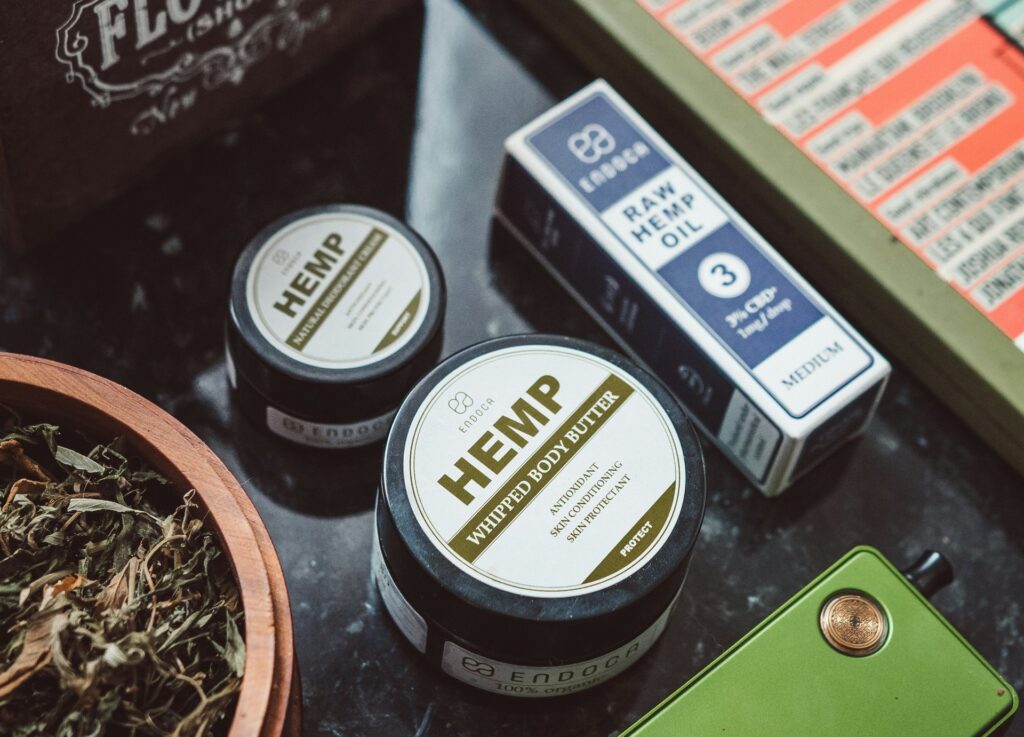
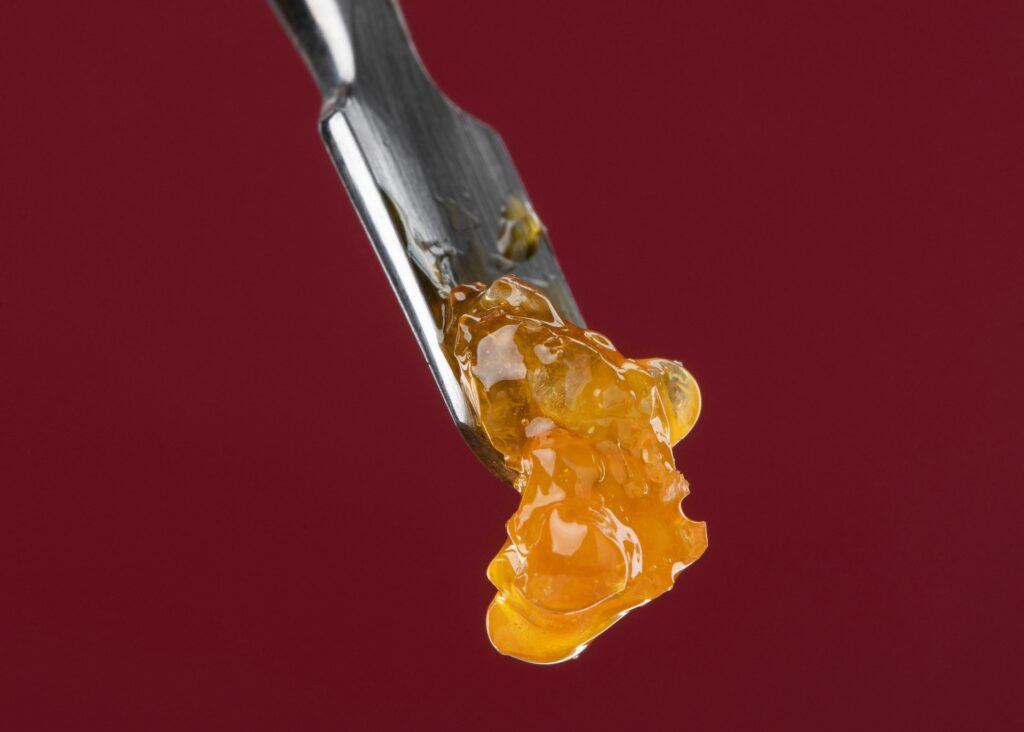
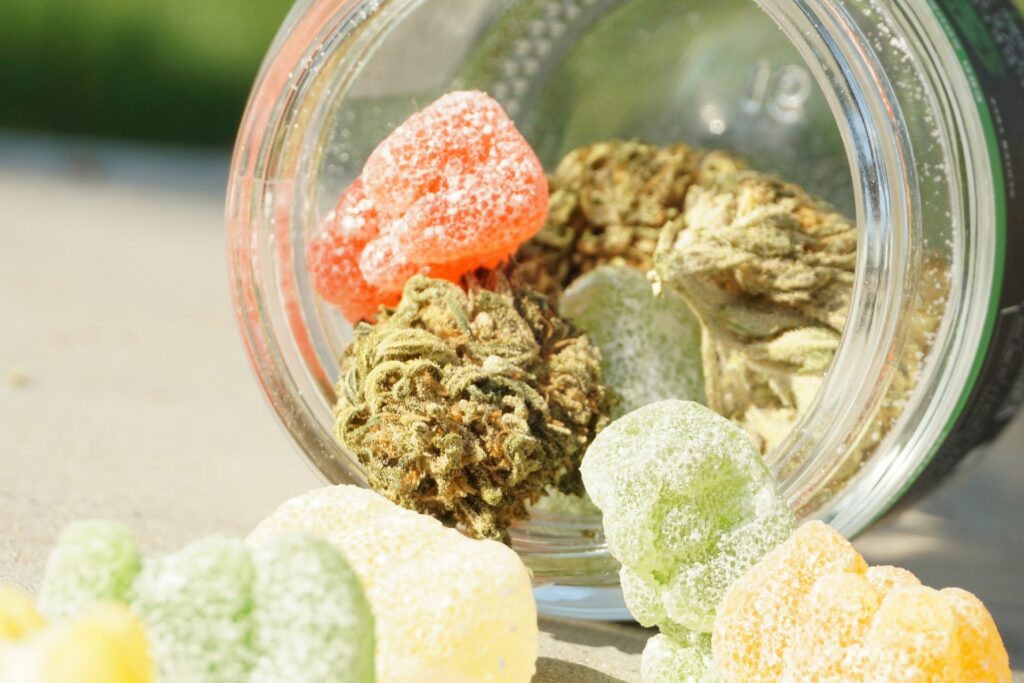
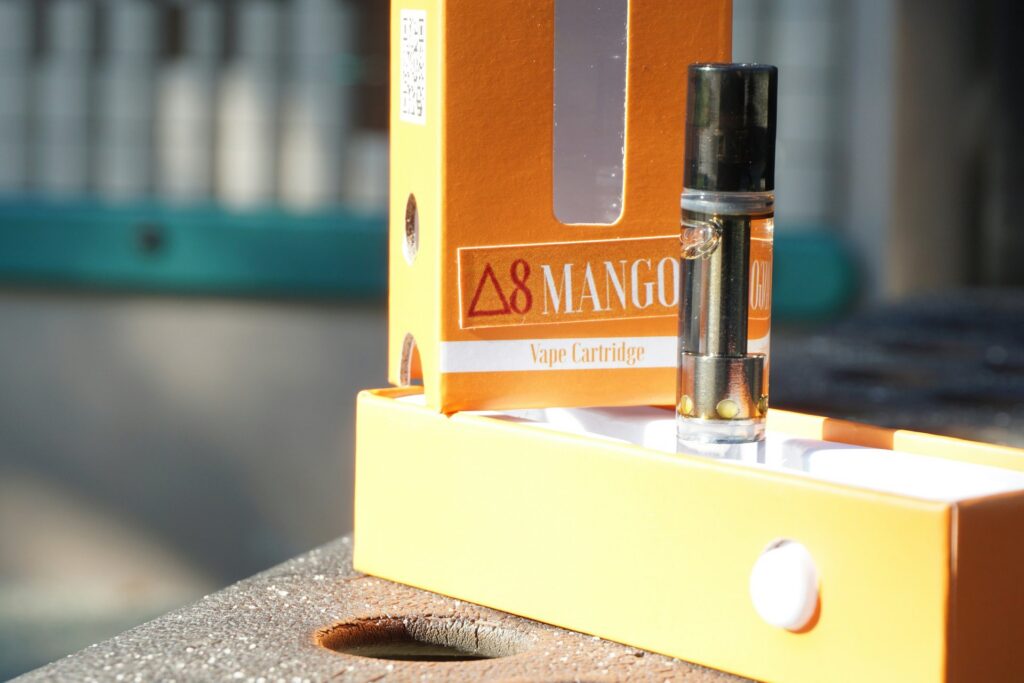
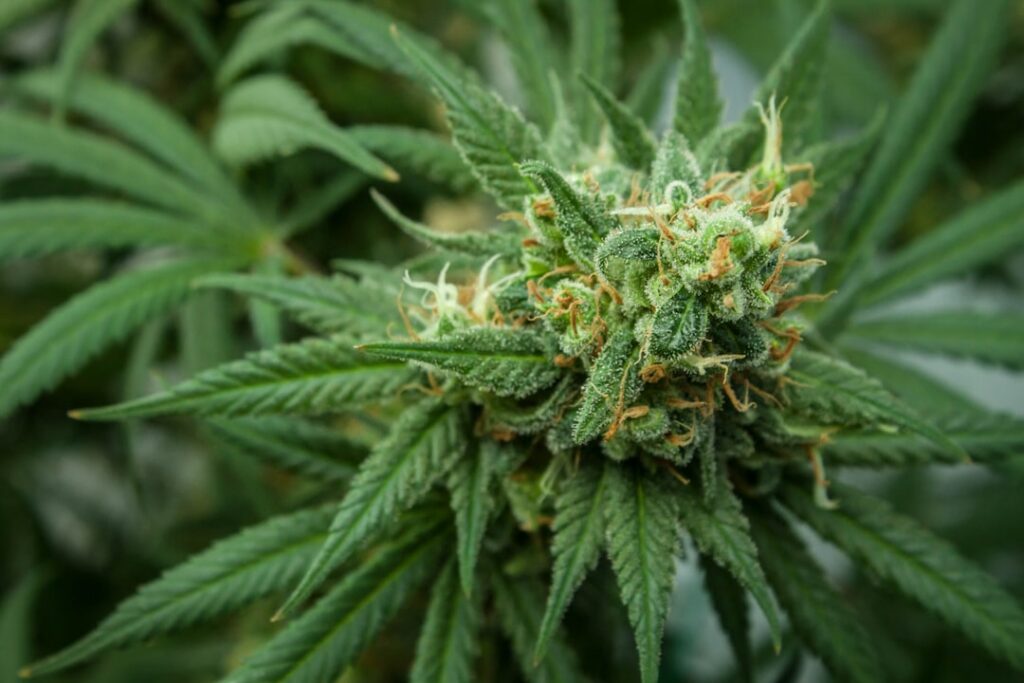
Hybrid varieties, formerly known as hybrid strains, are one of the most abundant cannabis types, thanks to the popularization of crossbreeding cannabis plants and creating new, unique strains. Here’s everything to know about hybrid cannabis and how it can affect your cannabis experience. Understanding Hybrid Cannabis Hybrid cannabis is created by crossbreeding two cannabis plants. This is an innovative way to create new, unique genetics with specific physical and chemical attributes, like high levels of THC, CBD, or specific terpenes that deliver specific aromas. There are several types that are determined by the dominating genetics during crossbreeding, including indica-dominant hybrids, sativa-dominant hybrids, and balanced hybrid cannabis strains. Popular hybrid strains include: Ice Cream Cake OG Kush Purple Gelato Wedding Cake Blue Dream Sour Diesel White Widow Pineapple Express Types of Hybrid Cannabis Products There is a wide selection of products made from hybrid cannabis, including flower, pre-rolls, infused pre-rolls, concentrates, edibles, and vapes. What makes hybrid cannabis so appealing is its versatility, as there is a wide variety of products to choose from depending on personal tolerance, preference, and method of consumption. Comparing Indica, Sativa, and Hybrid Strains The most notable difference between the three main cannabis varieties includes their...
Cannabinoids are essential parts of the cannabis world, as a lot of products are made with specific cannabinoids to achieve a desired effect. But there is a distinct difference between synthetic and natural cannabinoids, and here’s how those differences can affect you. Synthetic Cannabinoids Synthetic cannabinoids are lab-made cannabinoids, synthesized to mimic the natural cannabinoids. While these substances are designed to be chemically similar to naturally derived cannabinoids, they are not the same thing. Natural Cannabinoids Phytocannabinoids, also known as natural cannabinoids, are part of the Cannabis sativa plant. There are over 100 different types of naturally derived cannabinoids found in the cannabis plant, with many of them still being researched and discovered. THC and CBD, also known as Tetrahydrocannabinol and Cannabidiol, are the two most common cannabinoids. THC is the most abundant psychoactive cannabinoid responsible for delivering intoxicating effects, while CBD is the most prominent nonpsychoactive cannabinoid. Minor cannabinoids include Cannabinol (CBN), Cannabigerol (CBG), and Cannabichromene (CBC), among others. How do Cannabinoids Work? When they enter the body, cannabinoids interact with the endocannabinoid system (ECS), which is located throughout the body. The endocannabinoid system consists of a network of receptors responsible for several bodily functions. The onset and duration...
Most people can spot the two main parts of the cannabis plant, the stem and the easily recognizable leaves, but there is much more to the cannabis plant than meets the eye. Here’s everything to know about the anatomy of the cannabis plant and why each part is important. Roots The cannabis plant grows from the soil, starting from the seed that transforms into the taproot, also known as the main root, and later branches out into a complex root system. The main purpose of roots is to draw water from the soil, transporting it to the rest of the plant. Plant Stem Stems or main stalks come straight from the roots, growing upright. They are important for giving the cannabis plant structure and stability, connecting the roots, branches, and other parts of the cannabis plant. Branches and Nodes Cannabis branches form from the main stem and hold the leaves and flowers. Nodes are the connecting points between branches and the main stem. Leaves Leaves are the most recognizable part of the cannabis plant, becoming a globally recognizable symbol for cannabis culture. Cannabis leaves are divided into ”fingers”, taking a specific form depending on the plant’s genetics. There are several...
THCA is a well-known term, widely used within the cannabis community, but not a lot of people know what THCA actually is. Here’s everything to know about this cannabinoid and how it differs from other cannabinoids. What are Cannabinoids? Cannababinoids are natural chemical compounds produced by trichomes within the cannabis plants. There are over 100 different cannabinoids, with Tetrahydrocannabinol (delta-9 THC) and Cannabidiol (CBD) being the most abundant cannabinoids found in the cannabis plant. The cannabinoid profile is responsible for delivering specific effects. Delta-9 THC, delta-8 THC, and delta-10 THC are known for producing a ”high” due to their psychoactive properties, while Cannabidiol (CBD), Cannabinol (CBN), Cannabigerol (CBG), and Cannabichromene (CBC) are nonintoxicating cannabinoids, known for their potential therapeutic benefits. There are three main categories of cannabinoids, including: Endocannabinoids Endocannabinoids are neurotransmitters found in the human body. Their purpose is to interact with the body’s endocannabinoid system (ECS), which consists of receptors CB1 and CB2. Acidic Cannabinoids Acidic cannabinoids, such as THCA (tetrahydrocannabinolic acid) and CBDA (cannabidiolic acid), are natural forms of cannabinoids found in raw cannabis plants. Synthetic Cannabinoids Synthetic cannabinoids are man-made cannabinoids, usually illicitly synthesized in a lab. Their main purpose is to mimic naturally occurring chemicals...
There are so many cannabis products to choose from that it’s hard to stick to traditional cannabis only. Infused flower can elevate your cannabis experience and offer advanced potency and flavor compared to regular cannabis. What is Infused Cannabis Flower? An infused flower is a regular flower enhanced with cannabis concentrates to achieve high potency and specific flavor or aroma. Infused flower is also called moon rocks, sun rocks, caviar, and diamond-infused flower, depending on the type of infusion. Cannabis can be enhanced with high-quality concentrates such as kief, THCA diamonds, or hash oil, which are sprinkled, sprayed, or coated onto the buds. Not all cannabis has the same cannabinoids and terpene profiles. By adding a specific infusion to the flower, a new experience can be achieved. Cannabinoids Cannabinoids are naturally occurring chemical compounds found in cannabis plants that interact with the body’s endocannabinoid system when consumed. The most common cannabinoids are tetrahydrocannabinol, also known as THC, and cannabidiol, also known as CBD. THC is a psychoactive compound, causing a ”high”, while CBD is a non-psychoactive compound, which doesn’t produce intoxicating effects. Terpenes Terpenes are naturally occurring chemical compounds or aromatics found in various plants, including cannabis. Due to terpenes,...
THCA and THC are two similar terms widely used in the cannabis community, but many consumers are unsure what they actually stand for. Here are the differences and similarities of THCA and THC, and how they can impact the cannabis experience. Chemical Structure of Cannabis Cannabis plants consist of cannabinoids, which are the main chemical compounds responsible for producing psychoactive and non-psychoactive effects. Once consumed, cannabinoids interact with the body’s endocannabinoid system (ECS), made up of two primary receptors: CB1 and CB2. The main difference between THCA and THC is that one is a raw form, while the other is an active form. Tetrahydrocannabinolic Acid (THCA) Tetrahydrocannabinolic acid, or THCA, is an acidic cannabinoid that can be found in raw cannabis plants and hemp. Raw THCA won’t get you high, as this type of cannabinoid is not intoxicating, but it changes its form through the process of decarboxylation. The process of decarboxylation is triggered by heat, turning THCA into THC, a psychoactive compound. This can include smoking, vaping, or any form of heating (cooking or baking edibles). THCA Consumption Methods There are numerous THCA products available, depending on your preference, with THCA flower, pre-rolls, and concentrates being the most popular....
Kush aka OG Kush is popular amongst consumers and cultivators due to its unique characteristics and benefits. Here’s everything to know about this indica-dominant variety and how to use it in your daily routine. Understanding Cannabis Varieties There are four main cannabis varieties, including Cannabis sativa, Cannabis indica, Cannabis ruderalis, and Hybrid. Hybrid cannabis is created by crossbreeding two parent plants and creating a cultivar with specific genetics and characteristics. Each variety has a unique origin, physical characteristics, and growth patterns that set it apart from the others. Kush The original Kush is a pure Cannabis indica strain, while today it’s primarily an indica-dominant hybrid. Their physical appearance resembles the indica plant, due to their short stature and wide, bushy leaves. Some kush buds have a distinct deep green color with a hint of purple, like Purple Kush, while OG Kush is usually green with hints of orange or white (due to the thick layer of white trichomes). Origins of Kush Kush first originated along the Hindu Kush Mountain area, crossing parts of Pakistan, and Afghanistan. Over the decades, Kush has gained popularity within the cannabis community, with cultivators using it to create some of the most recognizable strains today....
The world of plants is more diverse and complex than most people think, with millions of plants being classified into specific families. Here’s everything to know about the Cannabaceae family and the importance of its species. Cannabaceae Family Cannabaceae, also known as the hemp family, contains 11 genes and over 170 species of plants such as trees, vines, and other flora. The hemp family originated in East Asia millions of years ago. nowadays, it’s widely spread globally, with many species adapting to the Northern Hemisphere. The Cannabaceae family includes: Cannabis Humulus (twining climbing plants) Celtis (trees) Cannabis Cannabis is a genus of flowering plants, including Cannabis sativa, Cannabis indica and Cannabis ruderalis. Hybrid cannabis is made by crossbreeding sativa and indica or ruderalis plants, creating a unique cultivar with specific characteristics. Cannabis sativa is a tall plant with long leaves, while Cannabis indica plants are shorter and bushier. When it comes to the flowering time, Cannabis sativa takes longer compared to Cannabis indica. Hybrid plants can have indica-dominant, sativa-dominant, or balanced genetics. Cannabis effects, benefits, and uses The cannabis plant consists of cannabinoids and terpenes, which are responsible for effects and flavors. Cannabinoids are naturally occurring chemical compounds that interact...
Skunk is one of the pillars of the cannabis industry, which led to the creation of some of the most iconic and potent hybrid strains. Here’s everything to know about skunk weed and why this strain is so important. Understanding Skunk Weed Skunk is a variety of cannabis, made by crossbreeding Cannabis sativa and Cannabis indica, creating a hybrid variety with unique characteristics. Skunk genetics are favorable to many cannabis cultivators, with its fast flowering time and heavy yield, while its resilience makes it easy to maintain, perfect for beginner growers. The height of the plant can vary, depending on the dominant genetics. Sativa plants tend to be taller than indica plants, but skunk can grow to a medium height if the genetics are balanced. Skunk Weed Origins This legendary strain got its name due to its pungent and distinct smell. Skunk was created in the late 1970s, with Skunk#1 becoming a legendary cannabis strain, made from crosbreeding Afghani (indica), Acapulco Gold (sativa-dominant), and Colombian Gold (sativa). David Watson, also known as Sam the Skunkman, was a cannabis breeder and a member of the Sacred Seed Collective. He created Skunk#1 and popularized it by bringing skunk seeds to Amsterdam, as...