
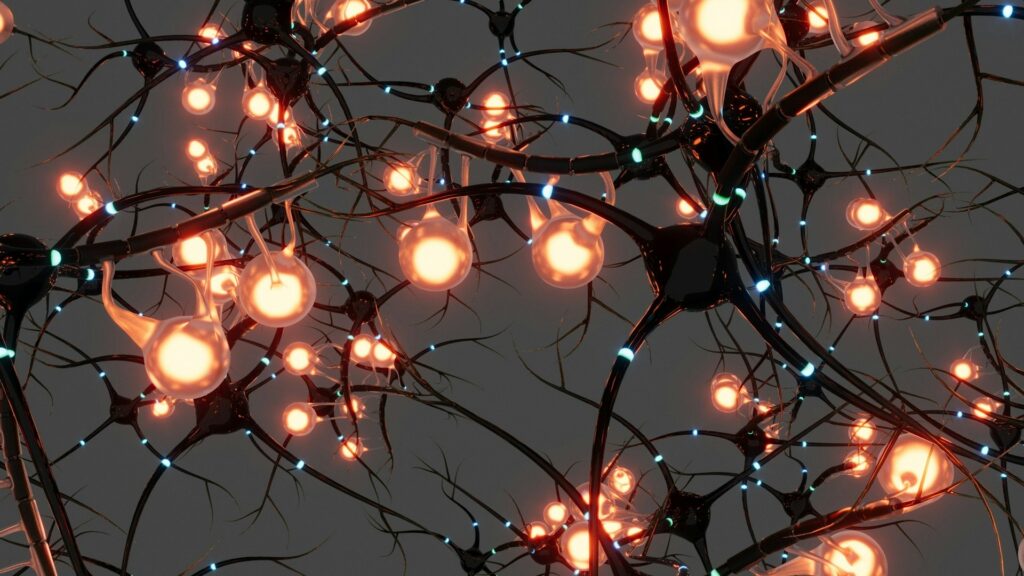
A lot of cannabis users are unaware of how exactly cannabis affects the body and what happens between consumption and intoxication. One part of this process is the endocannabinoid system, specifically Cannabinoid Receptors 1 and Cannabinoid Receptors 2, which help enable these effects. Here’s everything you should know about CB1:
What is CB1?
Cannabinoid receptors 1 are located in the brain and in the central nervous system, as well as the peripheral nervous system. They are a part of the Endocannabinoid System, also known as the ECS, which is responsible for regulating a variety of functions, including mood, pain, and appetite. Once cannabis is consumed, our body reacts to it because it binds to and activates the endocannabinoid receptors.
Receptors are usually described as messengers, there to send the signal to the body and activate the effects caused by cannabis.
Location of the CB1 Receptors
Because the endocannabinoid system helps regulate functions like mood, sleep, appetite, and pain, it’s natural that CB1 receptors are found throughout the body. The main locations where CB1 receptors reside include the brain, the spinal cord, and the peripheral nervous system (nerves and ganglia).
The Main Difference Between CB1 and CB2
While both of them play an important role in the endocannabinoid system (ECS), the main difference between the two receptors is that CB1 receptors are activated by the psychoactive compound THC and trigger the ‘high’ effect, while THC does not trigger CB2 receptors in the same way and does not cause the intoxicating effects; they are focused on the immune system.
Cannabis Affects People Differently
Cannabis is used both recreationally and for medical purposes, and while a lot of people report feeling the same effects, the cannabis experience is subjective. This can happen due to various factors such as dose, consumption method, personal tolerance to cannabis, as well as the fact that every endocannabinoid system is unique.
Some individuals might even experience aversive effects such as paranoia (especially with higher doses of cannabis), elevated anxiety, dry mouth, bloodshot eyes, dizziness, and more.
The Connection Between Consumption Methods and the Endocannabinoid System
Consumption methods are directly tied to the endocannabinoid system, since it influences how the body receives THC. Here are the different consumption methods and how they affect the body:
- Smoking and Vaping (inhaling): THC can reach the CB1 receptors in the brain in a short amount of time as it travels from the lungs directly into the bloodstream.
- Edibles (ingesting): When THC is ingested via an edible, it first has to go through the digestive system and metabolize, then it can reach the bloodstream and the CB1 receptors. The onset of effects can take between 30 and 60 minutes, but the duration of effects is also prolonged.
- Topical: Cannabinoids are absorbed through the skin, and the onset of effects can happen within 15 to 30 minutes, depending on the potency of the topical. THC and CBD from topicals reach the CB2 receptors in the peripheral tissue, almost entirely avoiding the bloodstream, therefore avoiding the CB1 receptors. That’s why topicals do not cause a typical ‘high’.
- Sublingual: Tinctures are applied under the tongue, avoiding the digestive system by being absorbed through the tissue. The onset of effects is typically 15 to 30 minutes.
Even to this day, cannabis and its effects are still being researched, yet the Endocannabinoid System (ECS), with its CB1 and CB2 receptors, play a massive role. Find your nearest dispensary and browse a wide selection of cannabis products that fit your preferences now that you have a better understanding of how cannabis works!