
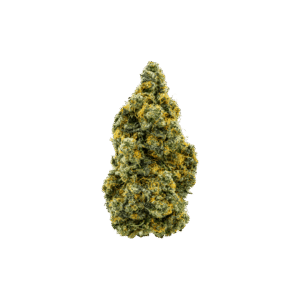
chemdawg weed strain

Hybrid

Chemdawg

4.8 (247 reviews)

Chemdawg, also known as Chemdog, is a cannabis strain with a legendary lineage that dates back to the early 90s. Chemdawg is an important element in the cannabis culture, as the strain is a predecessor to a few famous cannabis strains like Sour Diesel (crossbreeding Chemdawg and Super Skunk) and OG Kush (crossbreeding Chemdawg, Lemon Thai, and Pakistani or Hindu Kush). 

About Chemdawg Strain

A quick overview of the Chemdawg strain:

  • Type: Hybrid (55% indica and 45% sativa)
  • THC Range: 18%-25%
  • Dominant terpenes: Caryophyllene (pepper), Myrcene (herbal), Limonene (citrus)
  • Aroma and Flavor Profile: pungent, diesel-like, skunky, chemical notes

Chemdawg strain is known for its premium genetics, including a sharp and pungent smell as well as its relatively high THC levels. It’s favored amongst both breeders and growers. Famous phenotypes include Chem D, Chem ’91, and Chem’s Sister, all coming from the same batch of cannabis seeds.  

The physical characteristics of Chemdawg include stocky, dense, medium-sized buds. The colors range from deep forest greens to bright green hues. Some buds might also have vibrant pistils (hair-like strands) that range from red to rusty orange shades. The surface is coated with a thick layer of trichomes, giving it a frosty, glistening look. 

Chemdawg Cultivation Notes

  • Genetics: A hybrid of disputed but legendary origin (rumored Nepalese x Thai landrace lineage), moderately challenging to grow — best suited to growers with some experience given its finicky reputation and unstable phenotypes.
  • Climate: Prefers a warm, dry climate outdoors (70-80°F / 21-27°C) with low humidity through flowering. Indoors, it’s sensitive to humidity and temperature swings, especially in late flowering.
  • Growth pattern: Medium-to-tall with moderate stretch and somewhat lanky, open branching. Not the bushiest strain, but individual phenotypes vary quite a bit given Chemdawg’s genetic instability — some pheno hunting is often involved.
  • Flowering time: Around 9-10 weeks indoors — on the longer side; outdoor harvest typically mid-to-late October.
  • Yield: Moderate yields — not among the most generous producers, with growers generally prioritizing potency and terpene expression over volume.
  • Susceptibility: Known to be somewhat finicky and can be more susceptible to mold/mildew and pests than average, so attentive management matters more here than with easier strains like Blue Dream or Green Crack.
  • Nutrients: Responds well to standard feeding, though some phenotypes can be sensitive to nutrient burn — conservative feeding is often the safer approach.
  • Training techniques: Topping and LST help fill out its somewhat open, lanky structure; SCROG works well to even out the canopy and make better use of vertical space.
Art piece made up of triangles

Find The Artist Tree
Near You

We have 11 locations in California. Stop in to see what’s new! Plus we offer Daily Deals up to 50% off on top brands.