
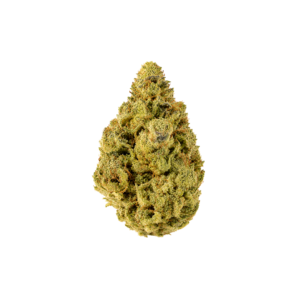
OG kush strain

Hybrid

OG Kush

4.8 (247 reviews)

Since its emergence in the early 90s, this legendary hybrid cannabis strain has become a cornerstone of the West Coast cannabis scene. Because it’s that old, its exact origin and genetics are part fact, part mystery, and it’s widely accepted to be a cross of Chemdawg, Lemon Thai, and Hindu Kush.

About OG Kush Strain

  • Type: Hybrid (55% indica, 45% sativa)
  • THC Range: 20%–26%
  • Dominant Terpenes:Myrcene, Limonene, and Caryophyllene
  • Aroma: Earthy, pine, lemon, and diesel

What “OG” in OG Kush stands for is also debated, with the two dominant theories being “Original Gangster” and “Ocean Grown.” What’s not up for debate is its reputation and effects. Og Kush is still one of the most requested strains at the dispensary, delivering a balanced experience that hits both the mind and body.

People commonly report feeling euphoric and uplifted at first, followed by gradual full-body relaxation. The strain tends to elevate mood and ease tension, which is why it’s a popular choice for unwinding after a long day. 

While THC levels generally range between 20% and 26%, OG Kush is moderately potent, which is why newcomers are advised to start slow. 

You’ll recognize OG Kush buds by their dense, chunky structure and the thick layer of trichomes that gives them a distinctly frosty, almost glittery appearance. The leaves usually show deep green tones with occasional hints of purple, and the orange pistils woven throughout make it as visually striking as it is potent.

OG Kush Cultivation Notes

  • Genetics: A predominantly indica hybrid with disputed but likely Hindu Kush/Chemdawg lineage. It’s considered more finicky and better suited to growers with some experience, rather than a true beginner strain.
  • Climate: Prefers a warm, dry, Mediterranean-type climate outdoors (68-80°F / 20-26°C). Indoors, it’s sensitive to humidity swings in late flowering — needs it kept low (around 40-50%) to avoid bud rot given its dense colas.
  • Growth pattern: Shorter and bushier than sativa-leaning strains, with less dramatic stretch during flowering. Tends to develop thick branches but can still benefit from support once buds fatten up, since the branches can be somewhat fragile.
  • Flowering time: Around 8-9 weeks indoors; outdoor harvest typically late September to early October.
  • Yield: Moderate yields — generally lower than something like Blue Dream, which is often cited as a tradeoff for its potency and effects profile.
  • Susceptibility: More prone to powdery mildew and pests than average, and known to be a slightly weaker, less vigorous grower — some phenotypes are notoriously finicky. Careful pest management and consistent conditions matter more here.
  • Nutrients: Can be sensitive to nutrient burn, so growers often run slightly lower feeding strengths than standard schedules, especially with nitrogen.
  • Training techniques: LST and topping are used to develop a fuller canopy, though the strain doesn’t stretch dramatically like sativas do, so training is more about maximizing bud sites than managing height.
Art piece made up of triangles

Find The Artist Tree
Near You

We have 11 locations in California. Stop in to see what’s new! Plus we offer Daily Deals up to 50% off on top brands.