
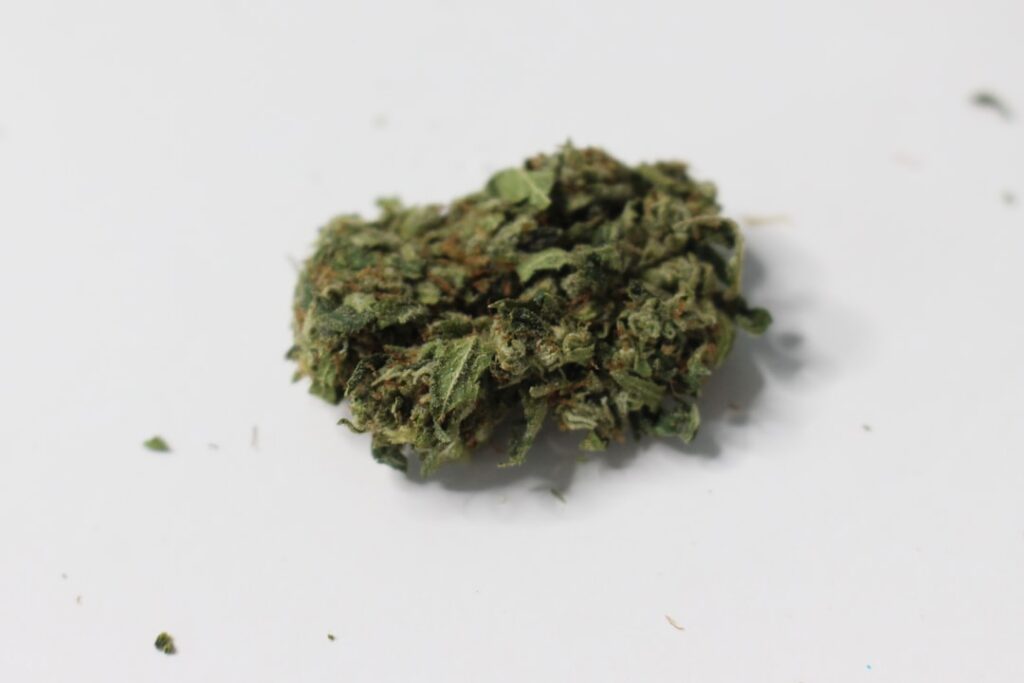
Cannabinoids are a common term within the cannabis industry, but THC or CBD are what most people associate with cannabis, without knowing what they really mean. Here’s everything you need to know about cannabinoids and how to choose the right blend for you.
Cannabinoids
Cannababinoids are natural chemical compounds produced by trichomes within the cannabis plants. Every cannabis plant has a unique cannabinoid profile, depending on the strain and genetics of the flower, with THC and CBD being the most prominent ones.
Cannabis products containing THC or CBD are consumed for either recreational or medical uses due to their potential therapeutic effects.
Endocannabinoids
Endocannabinoids are lipid-based neurotransmitters that can be found in the human body. They interact with the endocannabinoid system (ECS), which is responsible for maintaining various bodily functions.
Acidic Cannabinoids
Acidic cannabinoids are natural forms of cannabinoids that are later converted by the process of decarboxylation into the non-acidic forms. These types of chemicals, such as THCA (tetrahydrocannabinolic acid) and CBDA (cannabidiolic acid), turn into their neutral, active forms THC and CBD. Decarboxylation can happen through heat, by smoking, vaping, or cooking.
Synthetic Cannabinoids
Synthetic cannabinoids are lab-made cannabinoids, synthesized to mimic the natural cannabinoids found in cannabis with unique effects. Compared to natural cannabinoids, synthetic cannabinoids are more likely to be illicitly made and can be potentially dangerous due to the lack of regulations, causing severe or life-threatening effects, as stated by NIDA.
It’s recommended to research the contents of the desired cannabis products and to always buy from reputable cannabis dispensaries.
Different Types of Cannabinoids
There are over 100 different types of cannabinoids found in the cannabis plant, while many are still being studied. Each cannabinoid has specific effects and influences the body in unique ways. Tetrahydrocannabinol and Cannabidiol, also known as THC and CBD, are the two most common cannabinoids found in the cannabis plant. THC is the most common psychoactive cannabinoid, next to delta-8 THC and delta-10 THC. CBD is the most prominent nonpsychoactive cannabinoid, with other common ones being Cannabinol (CBN), Cannabigerol (CBG), and Cannabichromene (CBC).
How do Cannabinoids Work?
Cannabinoids interact with the endocannabinoid system (ECS) throughout the human body. ECS is made up of a network of receptors responsible for regulating pain, appetite, sleep, and mood. When cannabinoids such as THC or CBD are consumed, they interact with the cannabinoid receptors and influence their actions. The two notable receptors of the endocannabinoid system are CB1, located in the central nervous system (CNS), and CB2, located in the peripheral nervous system (PNS). The CB1 receptor is more susceptible to THC, causing psychoactive effects, while the CB2 can be bound to both THC and CBD for therapeutic effects.

Different Effects of Cannabinoids
Cannabis products with high levels of THC are popular due to their psychoactive properties, with uplifting and euphoric effects. CBD is not a psychoactive compound, and it doesn’t produce a ”high”, but people still use it for recreational purposes due to its calming and relaxing effects.
Side Effects of Cannabinoids
The side effects can vary depending on the cannabinoid levels, as well as personal tolerance to cannabis. The severity can increase due to the increased and improper dose, causing potential dizziness, dry mouth, fatigue, paranoia, and anxiety.
Mixing cannabis with other substances and alcohol can also increase the risk of potential side effects and negative effects of cannabinoids.
Comparing Cannabinoids and Terpenes
Both terms are widely used in the cannabis industry, but people often get confused about how they are connected. Cannabinoids and terpenes are the two most important naturally occurring components found in the cannabis plant, each having a specific purpose. Compared to cannabinoids, which are active compounds responsible for various mental and physical effects, while terpenes are responsible for the flavor and aroma of the cannabis product. The two compounds work in synergy, as some terpenes can potentially enhance the effects and therapeutic benefits of cannabinoids. The most common terpenes include:
- Limonene (citrusy aroma with potential uplifting effects)
- Pinene (pine-like aroma with potential anti-inflammatory effects)
- Linalool (floral aroma with potential stress-reducing effects)
- Myrcene (earthy or musky aroma with potential relaxing effects)
Picking the Right Cannabis Product
Cannabinoids play a big part in picking the right cannabis products for you, and there are several things to consider, as not all cannabis products offer the same results. When choosing your cannabis goods, consider:
- Purpose of use (recreational or medical)
- Potency of the product (depending on your preference and tolerance to cannabis)
- Cannabinoid profile (each formulation offers unique effects)
- Method of consumption (some offer rapid onset of effects, while others are slow-acting but offer prolonged effects)
Regardless of whether you are a cannabis connoisseur or a total beginner, understanding how cannabis works can influence the overall experience. Find your nearest dispensary and explore the selection of available cannabis products.