
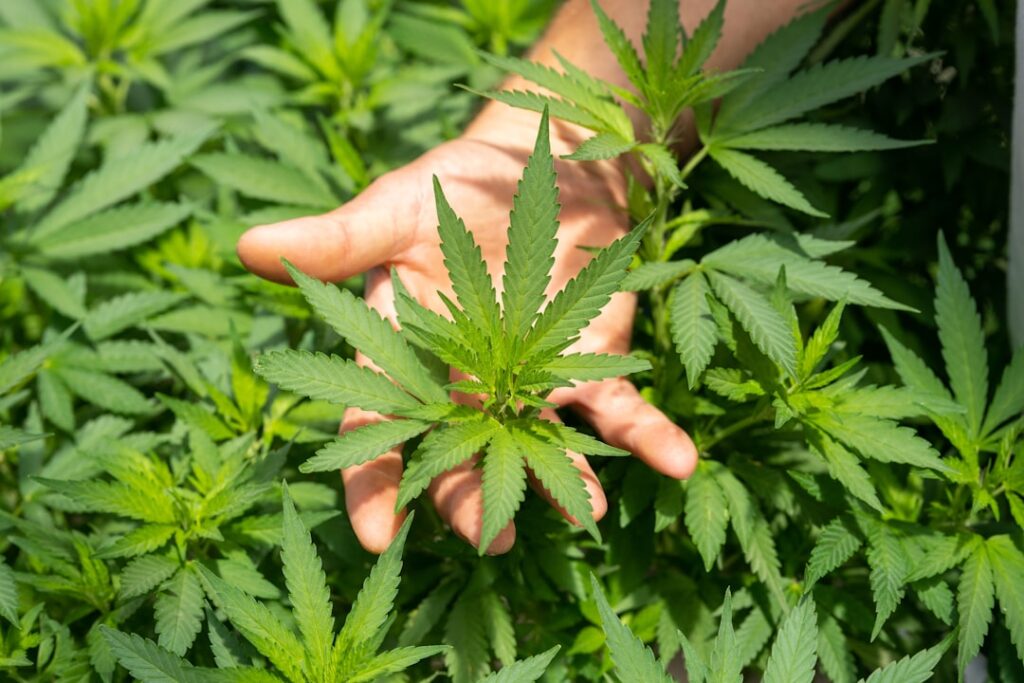
Many cannabis users are unaware of the differences between CBD and THC, while some don’t even know what they are in the first place. Here’s everything you need to know about the two most important cannabis components by comparing their similarities and differences.
Understanding Cannabinoids
Cannabinoids are naturally occurring chemical compounds found in cannabis plants. There are over 100 different types of cannabinoids, each having unique mechanisms of action and effects. Tetrahydrocannabinol and Cannabidiol, also known as THC and CBD, are the two prominent cannabinoids found in the cannabis plant.
Other notable cannabinoids include:
- Delta-8-THC
- Delta-10-THC
- Cannabinol (CBN)
- Cannabigerol (CBG)
- Cannabichromene (CBC)
Cannabinoids and Terpenes
Cannabinoids and terpenes are the two most important naturally occurring components found in the cannabis plant, each offering unique characteristics. Terpenes are responsible for the plant’s flavor and aroma, as well as some possible therapeutic benefits. They often enhance each other by working in synergy, causing a so-called entourage effect.
The most common terpenes and their potential effects include:
- Limonene (citrusy aroma with potential uplifting effects)
- Pinene (pine-like aroma with potential anti-inflammatory effects)
- Linalool (floral aroma with potential stress-reducing effects)
- Myrcene (earthy or musky aroma with potential relaxing effects)
CBD vs THC: The Basics
Cannabidiol, or CBD, is a cannabinoid found in the cannabis plant, known for delivering various therapeutic benefits. It can be derived from both marijuana and the hemp plant. CBD is a non-intoxicating chemical compound, compared to THC, it doesn’t produce a ”high” due to a lack of psychoactive properties.
Delta-9-tetrahydrocannabinol, also known as delta-9-THC or just THC, is the main psychoactive compound in cannabis, delivering a ”high” effect.
How CBD and THC Affect the Body?
After consuming a cannabis product containing THC or CBD, they interact with the body’s endocannabinoid system (ECS). The ECS system includes two types of receptors, CB1 and CB2, responsible for regulating pain management, sleep, appetite, memory, and mood. CB1 receptors are found in the central nervous system and peripheral nervous system, while CB2 receptors can be found in the immune system.
THC targets and activates both receptors, but CB2 to a lesser degree. While CBD indirectly impacts the receptors, rather than activating them.
CBD vs THC: Effects and Therapeutic Benefits
Cannabinoids are essential components in delivering specific effects, even having some overlapping therapeutic benefits. THC products are widely used for recreational and medical purposes due to their psychoactive effects.
When THC and CBD are combined, they have potential benefits for relaxation and better sleep. Many cannabis products are made with CBD and THC blends, with precise ratios for a specific result. CBD:THC products are considered balanced, while others might be higher in one or the other for tailored effects.

CBD vs THC: Potential Side Effects
THC is a psychoactive compound, causing a ”high” effect that’s determined by the potency, dose, and personal tolerance of the consumer. Common side effects include altered perception, euphoria, increased anxiety, and paranoia with higher doses. CBD is a non-intoxicating substance, but it can cause drowsiness in higher doses. Products with THC or CBD should be used with precise dosing, according to personal tolerance and preference. It’s not advised to combine them with other medications, and consuming them with alcohol or other substances can increase the risk of harm.
Methods of consumption are also an important factor, as some products high in THC are hard to dose and deliver a fast onset of effects. Vaping and smoking products with high levels of THC should be done responsibly according to individual tolerance to cannabis.
CBD vs THC: Legality
Cannabis products are not legal under federal law, as each state has its own regulations regarding THC. Medical cannabis is legal in 40 states, while recreational cannabis is legal for adults in 24 U.S. states. Some CBD products that are made from hemp, containing less than 0.3% THC, are considered legal in most states, but this can also vary from state to state. Before making a purchase, make sure to check your local laws regarding cannabis consumption.
CBD vs THC: Methods of Consumption
Cannabis products are available in a variety of forms, with different onset of effects and consumption methods, catering to every preference. The most popular CBD products include tinctures and CBD oils, edibles, vapes, and topicals. THC products are consumed by smoking, vaping, and edibles. THC concentrates are popular amongst cannabis connoisseurs who want a potent and flavorful experience, while THC topicals are used for localized pain relief and muscle relaxation, without causing intoxication.
Having a deeper understanding of the products you are consuming can elevate your cannabis experience. Flavor and aroma are important, but THC and CBD content truly define the cannabis product. Find your nearest dispensary and explore the selection of cannabis products.