
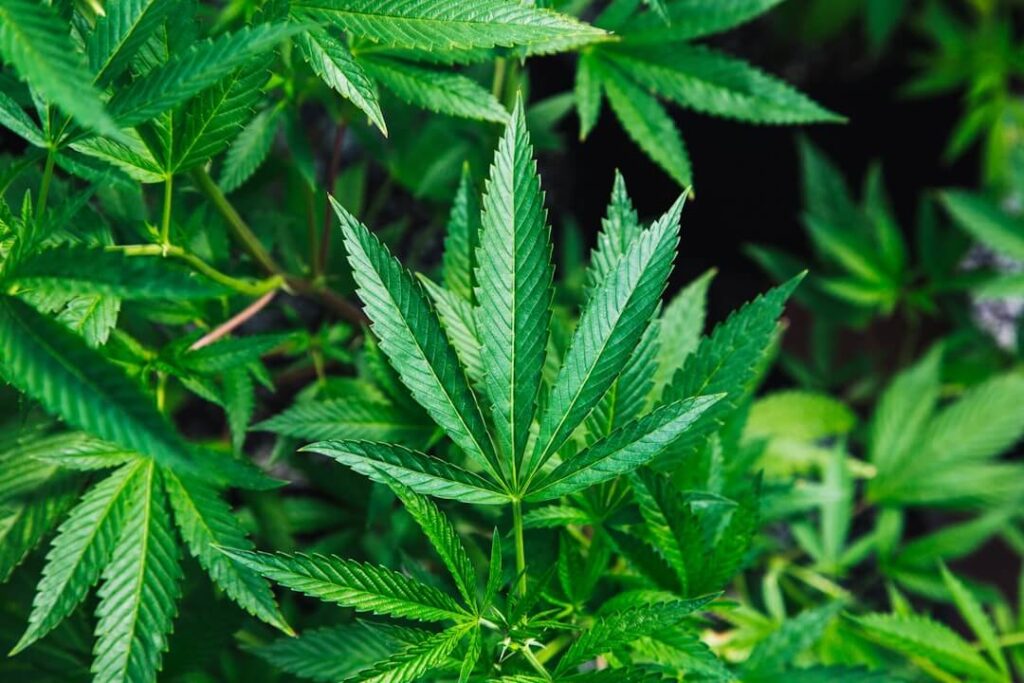
Most cannabis connoisseurs have heard of sativa and indica, but not many know about Cannabis ruderalis. This cannabis species is used in various ways, just like its counterparts, Cannabis sativa and Cannabis indica, but with different characteristics and purposes. Here’s everything you need to know about Cannabis ruderalis and its impact on the cannabis industry.
Understanding Different Types of Cannabis Varieties
The two main cannabis species are Cannabis sativa and Cannabis indica, but Cannabis ruderalis is also considered a notable species. Each cannabis species has unique physical characteristics and phytochemical properties, which make it different from the others.
Cannabis Ruderalis
Cannabis ruderalis originated from Central and Eastern Europe, Russia, and Central Asia. This cannabis subspecies is known for its adaptability to harsh climates with colder temperatures and mild summers. The name came from the word “ruderal,” which describes the plant that can survive in barren environments.
Cannabis ruderalis is not typically used for recreational purposes, compared to Cannabis sativa and Cannabis indica, but it can potentially be used for medical purposes due to the therapeutic effects of CBD. Its main purpose is for crossbreeding and cultivating new strains with unique genetics.
The Importance of Cannabinoids
Cannababinoids are natural chemical compounds found in the cannabis plant. They interact with the body’s endocannabinoid system (ECS), made up of receptors responsible for regulating pain, appetite, sleep, and mood. Tetrahydrocannabinol and Cannabidiol, also known as THC and CBD, are the two most common cannabinoids found in the cannabis plant. THC is a psychoactive compound, while CBD is a non-intoxicating compound and it doesn’t produce a ”high.”
Cannabis ruderalis contains high levels of CBD and lower levels of THC than other cannabis plants. Due to its chemical structure, it’s most similar to hemp and its THC-to-CBD ratio.
Cannabis Ruderalis Traits
Cannabis ruderalis has many benefits and desirable characteristics for cultivators, such as:
- High crossbreeding potential: Breeders are always looking for new and unique strains to create, and ruderalis offers many genetic advantages by having fast-growing and flowering cycles, the ability to adapt and withstand harsh elements, as well as being able to autoflower.
- Small and compact stature: Ruderalis is a compact plant compared to sativa, growing to roughly 1 to 3 feet tall.
- The ability to autoflower: Autoflowering means that the plant can go from the growing to the flowering stage due to its age, regardless of the sun exposure.
- Resilient to harsh environments: Ruderalis is very hardy and can withstand cold, harsh weather easily.
- Requires minimal care: Due to its resilience, it requires minimal care, suitable for breeders who are looking for something self-sustainable.
- Chemical properties: Ruderalis is CBD-dominant, and it contains roughly 3% THC.
Cannabis Sativa vs Cannabis Indica
Cannabis sativa and Cannabis indica have different origins, distinct physical attributes, growth cycles, and flowering cycles. A big misconception about Cannabis sativa and Cannabis indica is that one is more uplifting and energizing, while the other is more relaxing and sedating. The truth is that the cannabinoid profile of each plant is responsible for the effects.
Comparative Overview of the Three Varieties
Chemical structure and cannabinoid contents are not the only differences between Cannabis ruderalis, Cannabis indica, and Cannabis sativa, as their physical features and growth characteristics differ quite a bit. When compared, the ruderalis appearance is somewhere between the sativa and indica plants.
The table below showcases the main growth characteristics and physical attributes of all three varieties:
| Cannabis Variety | Cannabis Ruderalis | Cannabis Sativa | Cannabis Indica |
| Plant Appearance | Short stature | Tall stature | Short stature |
| Leaf Appearance | 3 or more wide leaves | 9 or more thin, long leaves | 7 or more wide, short, bushy leaves |
| Growth Cycle | Medium flowering time, 8 to 10 weeks | Long flowering time, 10 to 16 weeks | Short flowering time, 6 to 9 weeks |
| Origin | Central and Eastern Europe, Russia, and Central Asia | Across Asia and America, adapting to warm, tropical weather | India, Pakistan, and Afghanistan, withstanding the harsh mountain environment |

Hybrid Cannabis
Hybrid cannabis refers to a crossbreed of two cannabis varieties for desired characteristics and effects. Hybrid cannabis strains can have balanced effects when two indica and sativa varieties are crossbred, or they can lean more towards one of them, as sativa-dominant or indica-dominant. Ruderalis hybrids are desirable due to their autoflowering traits and resilience.
Popular hybrid strains:
- Ice Cream Cake
- OG Kush
- Purple Gelato
- Wedding Cake
Popular ruderalis strains:
- Northern Lights Auto
- White Widow Auto
- Lowryder
- Amnesia Haze Auto
Is Cannabis Ruderalis Legal?
Cannabis is not legal under federal law, since Cannabis ruderalis contains THC, it has its own regulations that differ from one state to another. Medical cannabis is legal in 40 states, while recreational cannabis is legal for adults in 24 U.S. states.
Cannabis ruderalis is an important element in cultivation, making it easier for cannabis breeders to unlock new and improved strains. Because of all the innovations within the cannabis industry, there is a cannabis product that fits every connoisseur’s taste. Find your nearest dispensary and explore the selection of available cannabis goods.