
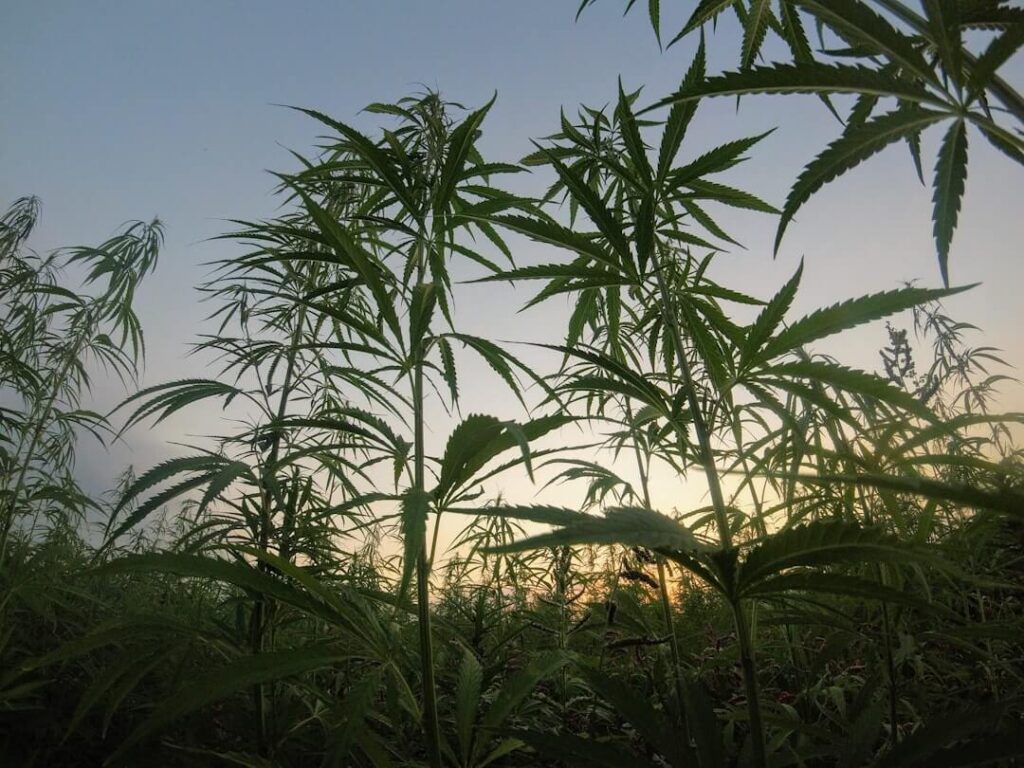
The world of plants is more diverse and complex than most people think, with millions of plants being classified into specific families. Here’s everything to know about the Cannabaceae family and the importance of its species.
Cannabaceae Family
Cannabaceae, also known as the hemp family, contains 11 genes and over 170 species of plants such as trees, vines, and other flora. The hemp family originated in East Asia millions of years ago. nowadays, it’s widely spread globally, with many species adapting to the Northern Hemisphere.
The Cannabaceae family includes:
- Cannabis
- Humulus (twining climbing plants)
- Celtis (trees)
Cannabis
Cannabis is a genus of flowering plants, including Cannabis sativa, Cannabis indica and Cannabis ruderalis. Hybrid cannabis is made by crossbreeding sativa and indica or ruderalis plants, creating a unique cultivar with specific characteristics. Cannabis sativa is a tall plant with long leaves, while Cannabis indica plants are shorter and bushier. When it comes to the flowering time, Cannabis sativa takes longer compared to Cannabis indica. Hybrid plants can have indica-dominant, sativa-dominant, or balanced genetics.
Cannabis effects, benefits, and uses
The cannabis plant consists of cannabinoids and terpenes, which are responsible for effects and flavors. Cannabinoids are naturally occurring chemical compounds that interact with the body’s endocannabinoid system (ECS). ECS receptors CB1 and CB2, located in the central nervous system and the peripheral nervous system, regulate mood, pain, sleep, and appetite. There are over 100 cannabinoids, but Tetrahydrocannabinol (THC) and Cannabidiol (CBD) are the most common ones. THC is the main psychoactive compound, delivering intoxicating effects. Cannabis can be used both for recreational and medical purposes.
Terpenes are also naturally occurring compounds found in plants and cannabis, acting as flavorants and aromatics, with potential therapeutic benefits. Common terpenes include:
- Limonene (citrusy aroma with potential uplifting effects)
- Pinene (pine-like aroma with potential anti-inflammatory effects)
- Linalool (floral aroma with potential stress-reducing effects)
- Myrcene (earthy or musky aroma with potential relaxing effects)
Cannabis can be used in various ways, depending on the consumption preference, such as:
- Smoking: Cannabis flower can be smoked with a joint, bong, or pipe. There are also pre-rolls and infused pre-rolls that are ready for consumption.
- Vaping: Disposable vape pens and cartridges are popular cannabis products offering a fast onset of effects.
- Dabbing: By using dab tools and highly potent cannabis concentrates for a rich cannabis experience.
- Edibles: Popular cannabis products for prolonged effects, including cannabis infused gummies, chocolates, and baked goods.

Humulus
Humulus, also known as hops, is a twining climbing plant that can grow several meters in length. There are male and female humulus plants, with the female plant being cultivated for its hop flowers, which can be used in the brewing industry. Hops contain terpenes, just like cannabis, which are used for giving distinct flavors and aromas to the beer. Hops have a unique taste due to their terpene profile, acting as a bittering agent to balance out the sweetness of the brew.
Celtis
Celtis contains the largest number of tree species, most notably hackberries or nettle trees. These species have a medium height, rarely reaching over 80 feet in height. They can be found around the globe, like North and South America, East and South Asia, as well as parts of Europe and Africa. Hackberry trees produce small drupes with a diameter of 1 cm, some of which are edible for humans and animals. The edible kind is nutritious and rich in protein, with a distinct, sweet taste.
Cannabis and Humulus are the two profitable members of the hemp family, compared to Celtis. The beer industry is culturally and economically important for many countries, making hops a valuable ingredient. The cannabis industry is innovating and growing exponentially for recreational, medical, and cultivation purposes. Find your nearest dispensary and explore the selection of cannabis products.