

Coachella Music and Arts Festival is a famous event where music lovers gather to enjoy the desert atmosphere while listening to their favorite artists. Here are some tips for first-timers who want to have a stress-free Coachella experience! Know the Laws and Festival Rules The festival is located in California, a state where recreational cannabis is legal for adults older than 21. But Coachella has specific rules regarding cannabis, prohibiting its use on the festival grounds, which means you’ll have to leave your goods behind. This doesn’t mean you can’t enjoy cannabis products while in the Coachella Valley, especially if you are staying at a hotel or renting a private property, as some of them are cannabis-friendly. You can bring your own goods or order from reputable dispensaries to your accommodation, just make sure you are following the rules. Learn About Cannabis Products Since you legally can’t consume during the music festival itself, you can always enjoy before or after the event. It’s important to pick out the perfect type of cannabis product so that you have an unforgettable experience. While flower and vapes are popular picks, edibles, tinctures, or topicals can also be an option, depending on your tolerance....

All 12 California Locations Become Community-Wide Treasure Hunts on March 12 More than 100 original works by local artists will be hidden in stores and throughout surrounding neighborhoods on March 12, 2026 California, February 18, 2026 — On March 12, The Artist Tree, California’s leading dispensary that also serves as an art gallery, will transform all 12 of its locations into an art treasure hunt in celebration of International Art & Found Day. Artists who are interested in sharing their work, can confirm their participation here: LINK For one day only, customers visiting any The Artist Tree location may stumble upon a piece of original art tucked somewhere in-store that is completely free to take home.The experience won’t stop at the storefront doors, though. The Artist Tree team will also be placing original works “out in the wild” in surrounding neighborhoods, on benches, and near their storefronts, offering creative surprises to the local communities. Neighbors should keep an eye out for brown paper wrapped packages marked with a colorful “Free Art” sticker. The Artist Tree expects to collect and distribute more than 100 original works from local artists, reinforcing its mission to make art approachable, interactive, and woven into everyday...
THCA is a well-known term, widely used within the cannabis community, but not a lot of people know what THCA actually is. Here’s everything to know about this cannabinoid and how it differs from other cannabinoids. What are Cannabinoids? Cannababinoids are natural chemical compounds produced by trichomes within the cannabis plants. There are over 100 different cannabinoids, with Tetrahydrocannabinol (delta-9 THC) and Cannabidiol (CBD) being the most abundant cannabinoids found in the cannabis plant. The cannabinoid profile is responsible for delivering specific effects. Delta-9 THC, delta-8 THC, and delta-10 THC are known for producing a ”high” due to their psychoactive properties, while Cannabidiol (CBD), Cannabinol (CBN), Cannabigerol (CBG), and Cannabichromene (CBC) are nonintoxicating cannabinoids, known for their potential therapeutic benefits. There are three main categories of cannabinoids, including: Endocannabinoids Endocannabinoids are neurotransmitters found in the human body. Their purpose is to interact with the body’s endocannabinoid system (ECS), which consists of receptors CB1 and CB2. Acidic Cannabinoids Acidic cannabinoids, such as THCA (tetrahydrocannabinolic acid) and CBDA (cannabidiolic acid), are natural forms of cannabinoids found in raw cannabis plants. Synthetic Cannabinoids Synthetic cannabinoids are man-made cannabinoids, usually illicitly synthesized in a lab. Their main purpose is to mimic naturally occurring chemicals...
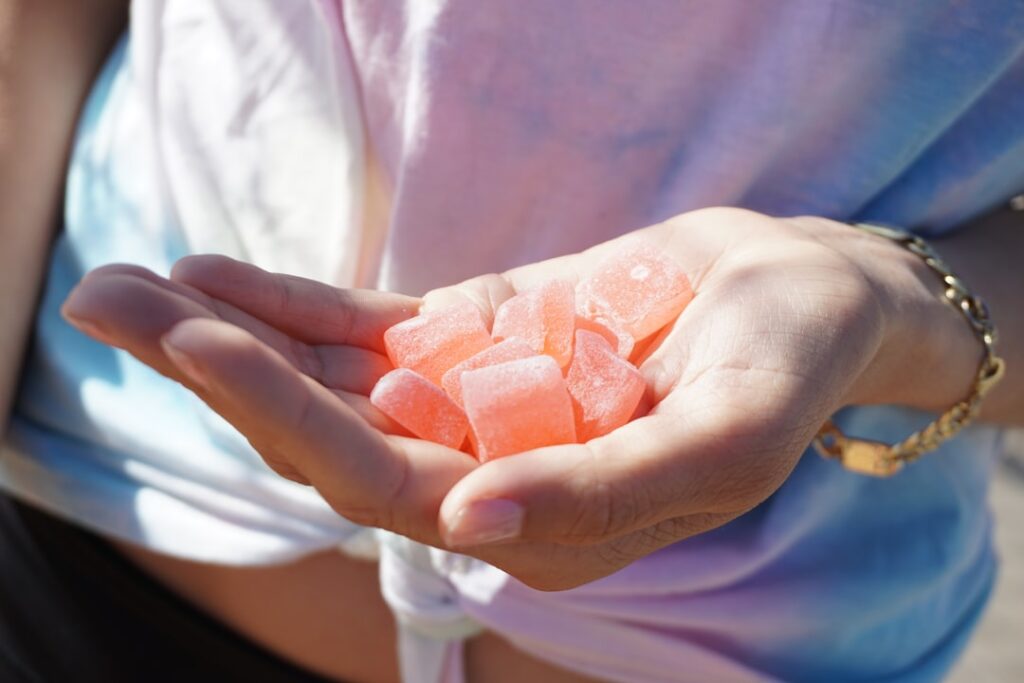
THC gummies are becoming not just one of the most popular cannabis products on the market. Visit dispensaries in Davis or Dixon, offering a welcoming and community-oriented space for those who want to taste a wide range of gummies. Here are some things to consider when choosing the gummy for you! Cannabinoid Ratios for Every Preference Gummies can be infused with individual cannabinoids or a blend of multiple for specific effects, as some people prefer a relaxing feel while others prefer a more balanced approach. THC and CBD are the two most common cannabinoids used for edibles, as THC is the main psychoactive compound responsible for producing the ”high” effect, while CBD is a non-psychoactive cannabinoid that can balance out the effects if combined. Cannabis gummies with carefully curated blends of cannabinoids are becoming more and more popular. The DELICIOUS brand offers Balanced Blackberry, a 1:1 ratio of CBD and THC, and Goodnight Grape CBN, a 1:1:1 ratio of CBN, CBD, and THC, so that all edible lovers can find a formulation they suitable for them. Choosing The Right Dose Dosing is key for a satisfying cannabis experience, which cannabis edibles easily offer compared to smoking or vaping. Most gummies...
There are several cannabis holidays to celebrate, some of which are celebrated worldwide, while others are for niche connoisseurs. There are lots of ways to commemorate the cannabis culture, and here’s how you can do just that by partaking in these holidays! 420 Day The number 420 is globally recognized as one of the most notable symbols within the cannabis community. According to a report by High Times Magazine, it all started in the early 1970s, as five high school students known as ”Waldos” started using the term 420, which later spread within the community, becoming an iconic symbol of cannabis consumption. 420 Day, also known as National Weed Day, is obviously celebrated on April 20th. During this time, cannabis consumers can attend 420 festivities, events, and public gatherings, where they can enjoy the company of other cannabis lovers. 420 is also known as the best time to stock up on your favorite cannabis goods and even try something new, as a lot of dispensaries offer unique drops and discounts. The good thing about this weed holiday is that you can celebrate it however you want, by going out or by staying in, and honoring the cannabis culture by getting...
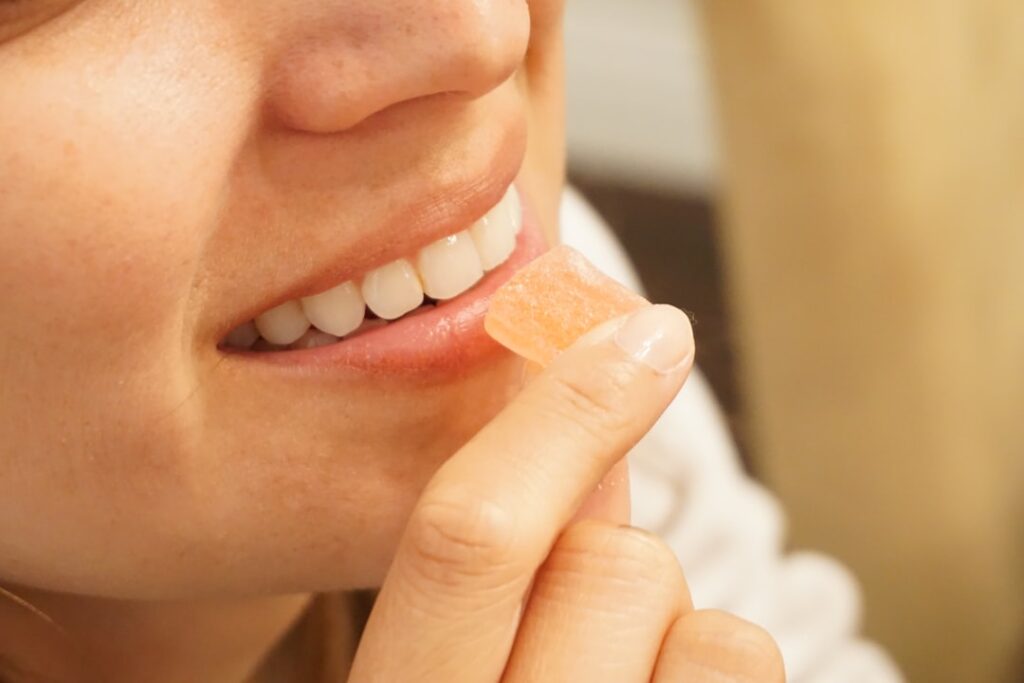
Cannabis-infused gummies made with 100% Live Resin of the highest quality. About DELICIOUS DELICIOUS is a premium cannabis brand recently acquired from CLUB420 by The Artist Tree. The brand is known for its cannabis infused gummies and infused pre-rolls, available as Sativa, Indica, or Hybrid with various fruity flavors. Why Easy Dosing is Important Dosing is key for a satisfying cannabis experience, which gummies easily offer. DELICIOUS gummies are available in packs of 10 gummies for effortless dosing. Each gummy contains 10 mg of THC, CBD, or a blend of multiple cannabinoids. Cannabinoid Ratios for Every Preference Gummies can be infused with individual cannabinoids or a blend of multiple for specific effects, as some people prefer a relaxing feel while others prefer a more balanced approach. The DELICIOUS brand offers Balanced Blackberry, a 1:1 ratio of CBD and THC, and Goodnight Grape CBN, a 1:1:1 ratio of CBN, CBD, and THC. Pomegranate Perfection is the perfect choice for those who prefer low-dose gummies, containing 10 mg of CBD and less than 2 mg of THC per gummy. Flavors and Aromas The flavor is one of the key aspects that can truly impact your edibles. Cannabis infused gummies often have fruity...

The cannabis industry established many holidays over the years for cannabis enthusiasts to enjoy. While 420 Day is the most recognized cannabis holiday, Green Wednesday is just as important. What is the Green Wednesday Holiday? Green Wednesday is similar to Black Friday and Cyber Monday, but for cannabis lovers. This cannabis ”holiday” is celebrated each year, precisely on the Wednesday before Thanksgiving. It’s meant to serve as a perfect time for people to try new cannabis products, special drops, and enjoy amazing discounts at their favorite dispensary. You can find a wide range of THC or CBD products, such as: Premium flower (available in a variety of strains) Vaporizers, such as cartridges and disposable all-in-one vape pens Pre-rolls and infused pre-rolls Edibles, such as gummies, baked goods, and chocolates Cannabis concentrates such as wax, shatter, live resin, budder, etc. Topicals and oils Danksgiving Danksgiving is celebrated on the weekend after Thanksgiving. Similar to any other holiday, you can gather your loved ones and enjoy the day by eating cozy foods, but Danksgiving is a celebration with a cannabis twist. Smoke your favorite cannabis or make cozy infused meals with cannabis butter, oil, or flower. Some of the most common Danksgiving...
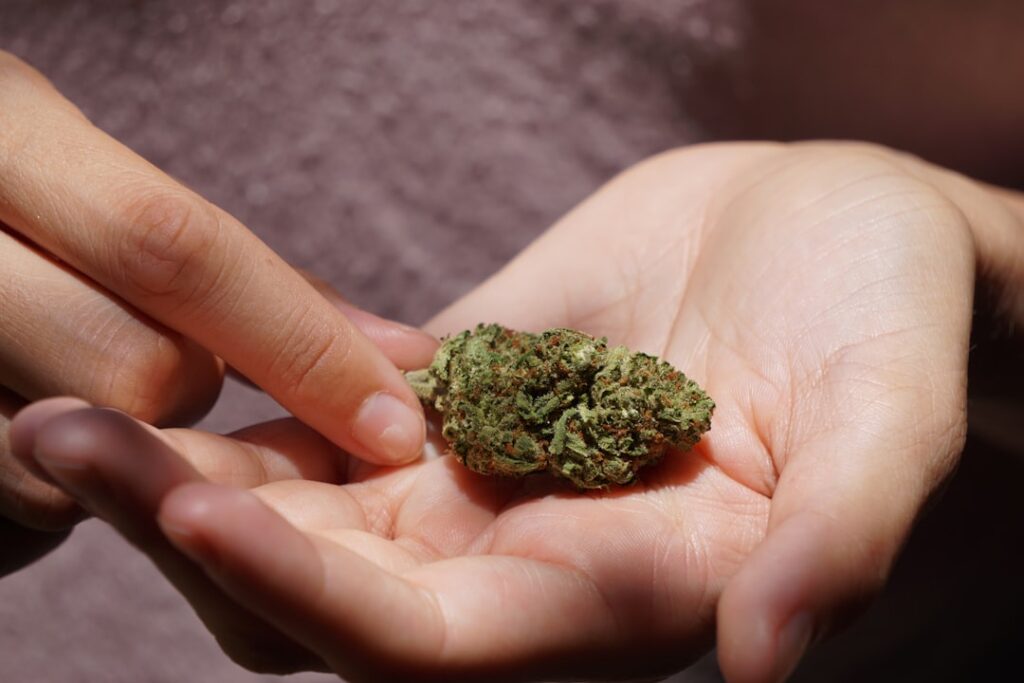
There are so many cannabis products to choose from that it’s hard to stick to traditional cannabis only. Infused flower can elevate your cannabis experience and offer advanced potency and flavor compared to regular cannabis. What is Infused Cannabis Flower? An infused flower is a regular flower enhanced with cannabis concentrates to achieve high potency and specific flavor or aroma. Infused flower is also called moon rocks, sun rocks, caviar, and diamond-infused flower, depending on the type of infusion. Cannabis can be enhanced with high-quality concentrates such as kief, THCA diamonds, or hash oil, which are sprinkled, sprayed, or coated onto the buds. Not all cannabis has the same cannabinoids and terpene profiles. By adding a specific infusion to the flower, a new experience can be achieved. Cannabinoids Cannabinoids are naturally occurring chemical compounds found in cannabis plants that interact with the body’s endocannabinoid system when consumed. The most common cannabinoids are tetrahydrocannabinol, also known as THC, and cannabidiol, also known as CBD. THC is a psychoactive compound, causing a ”high”, while CBD is a non-psychoactive compound, which doesn’t produce intoxicating effects. Terpenes Terpenes are naturally occurring chemical compounds or aromatics found in various plants, including cannabis. Due to terpenes,...
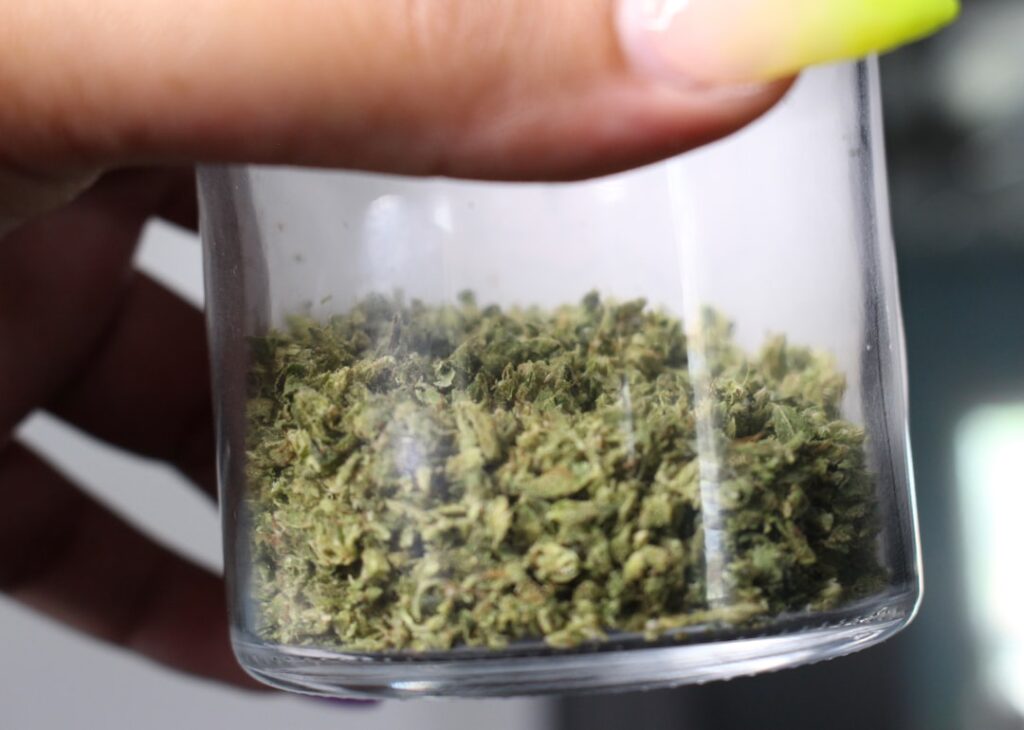
THCA and THC are two similar terms widely used in the cannabis community, but many consumers are unsure what they actually stand for. Here are the differences and similarities of THCA and THC, and how they can impact the cannabis experience. Chemical Structure of Cannabis Cannabis plants consist of cannabinoids, which are the main chemical compounds responsible for producing psychoactive and non-psychoactive effects. Once consumed, cannabinoids interact with the body’s endocannabinoid system (ECS), made up of two primary receptors: CB1 and CB2. The main difference between THCA and THC is that one is a raw form, while the other is an active form. Tetrahydrocannabinolic Acid (THCA) Tetrahydrocannabinolic acid, or THCA, is an acidic cannabinoid that can be found in raw cannabis plants and hemp. Raw THCA won’t get you high, as this type of cannabinoid is not intoxicating, but it changes its form through the process of decarboxylation. The process of decarboxylation is triggered by heat, turning THCA into THC, a psychoactive compound. This can include smoking, vaping, or any form of heating (cooking or baking edibles). THCA Consumption Methods There are numerous THCA products available, depending on your preference, with THCA flower, pre-rolls, and concentrates being the most popular....
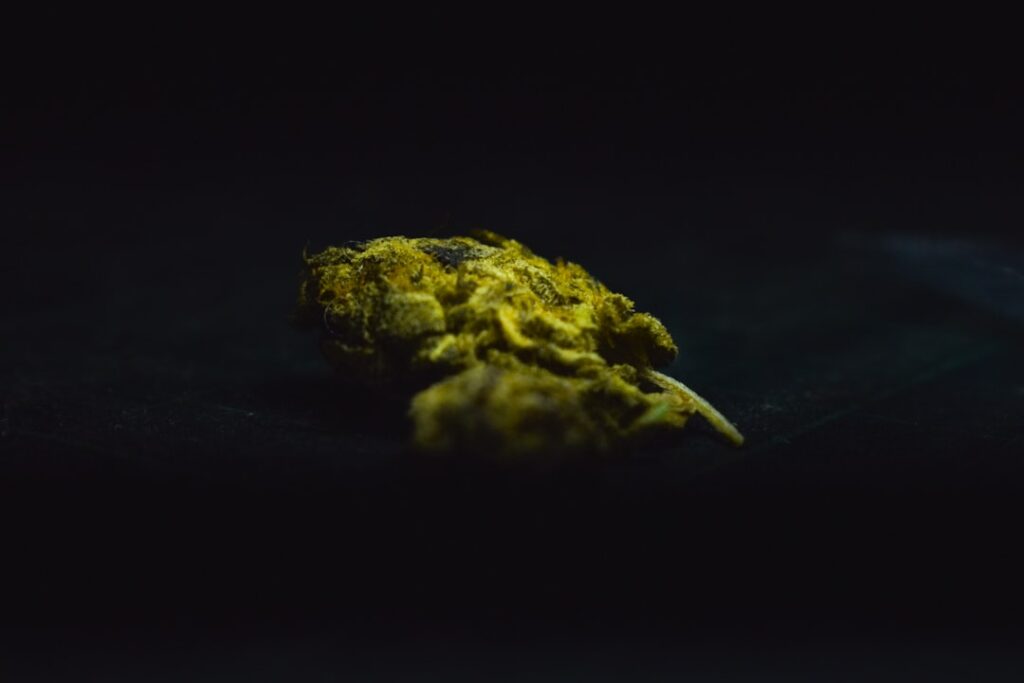
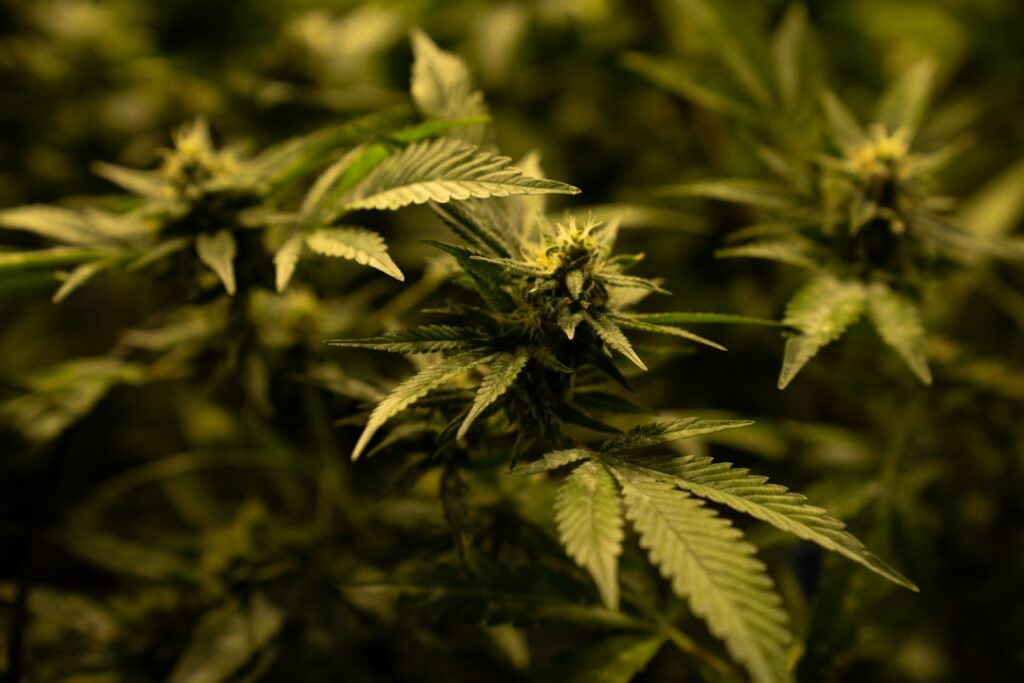
Kush aka OG Kush is popular amongst consumers and cultivators due to its unique characteristics and benefits. Here’s everything to know about this indica-dominant variety and how to use it in your daily routine. Understanding Cannabis Varieties There are four main cannabis varieties, including Cannabis sativa, Cannabis indica, Cannabis ruderalis, and Hybrid. Hybrid cannabis is created by crossbreeding two parent plants and creating a cultivar with specific genetics and characteristics. Each variety has a unique origin, physical characteristics, and growth patterns that set it apart from the others. Kush The original Kush is a pure Cannabis indica strain, while today it’s primarily an indica-dominant hybrid. Their physical appearance resembles the indica plant, due to their short stature and wide, bushy leaves. Some kush buds have a distinct deep green color with a hint of purple, like Purple Kush, while OG Kush is usually green with hints of orange or white (due to the thick layer of white trichomes). Origins of Kush Kush first originated along the Hindu Kush Mountain area, crossing parts of Pakistan, and Afghanistan. Over the decades, Kush has gained popularity within the cannabis community, with cultivators using it to create some of the most recognizable strains today....
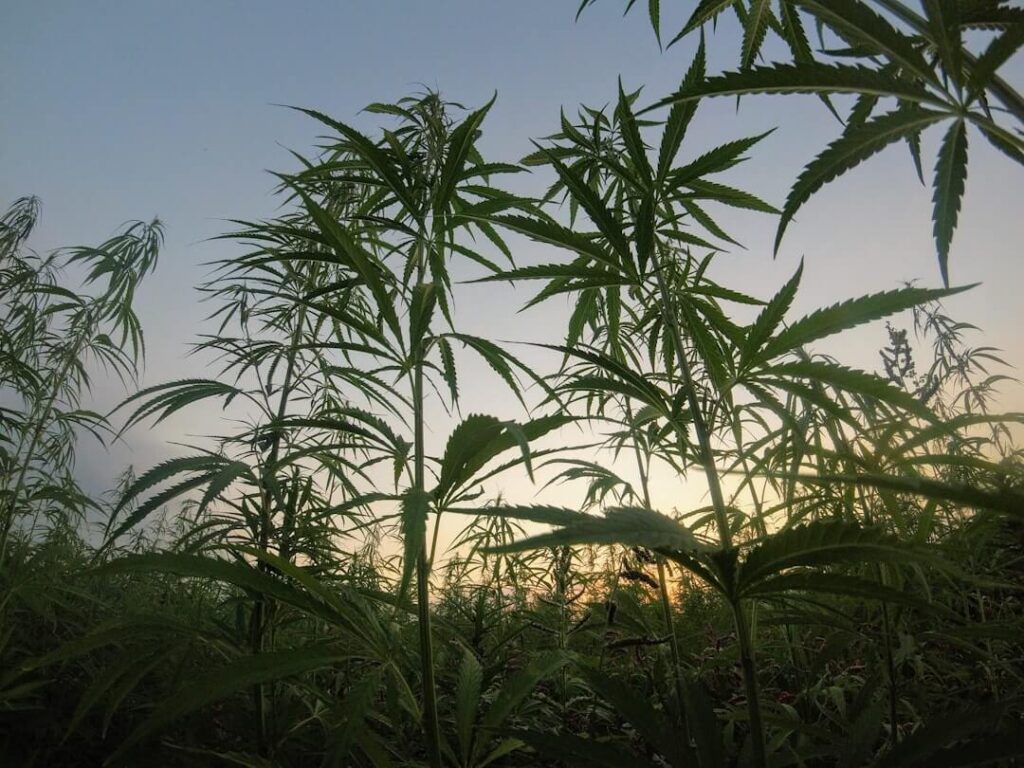
The world of plants is more diverse and complex than most people think, with millions of plants being classified into specific families. Here’s everything to know about the Cannabaceae family and the importance of its species. Cannabaceae Family Cannabaceae, also known as the hemp family, contains 11 genes and over 170 species of plants such as trees, vines, and other flora. The hemp family originated in East Asia millions of years ago. nowadays, it’s widely spread globally, with many species adapting to the Northern Hemisphere. The Cannabaceae family includes: Cannabis Humulus (twining climbing plants) Celtis (trees) Cannabis Cannabis is a genus of flowering plants, including Cannabis sativa, Cannabis indica and Cannabis ruderalis. Hybrid cannabis is made by crossbreeding sativa and indica or ruderalis plants, creating a unique cultivar with specific characteristics. Cannabis sativa is a tall plant with long leaves, while Cannabis indica plants are shorter and bushier. When it comes to the flowering time, Cannabis sativa takes longer compared to Cannabis indica. Hybrid plants can have indica-dominant, sativa-dominant, or balanced genetics. Cannabis effects, benefits, and uses The cannabis plant consists of cannabinoids and terpenes, which are responsible for effects and flavors. Cannabinoids are naturally occurring chemical compounds that interact...
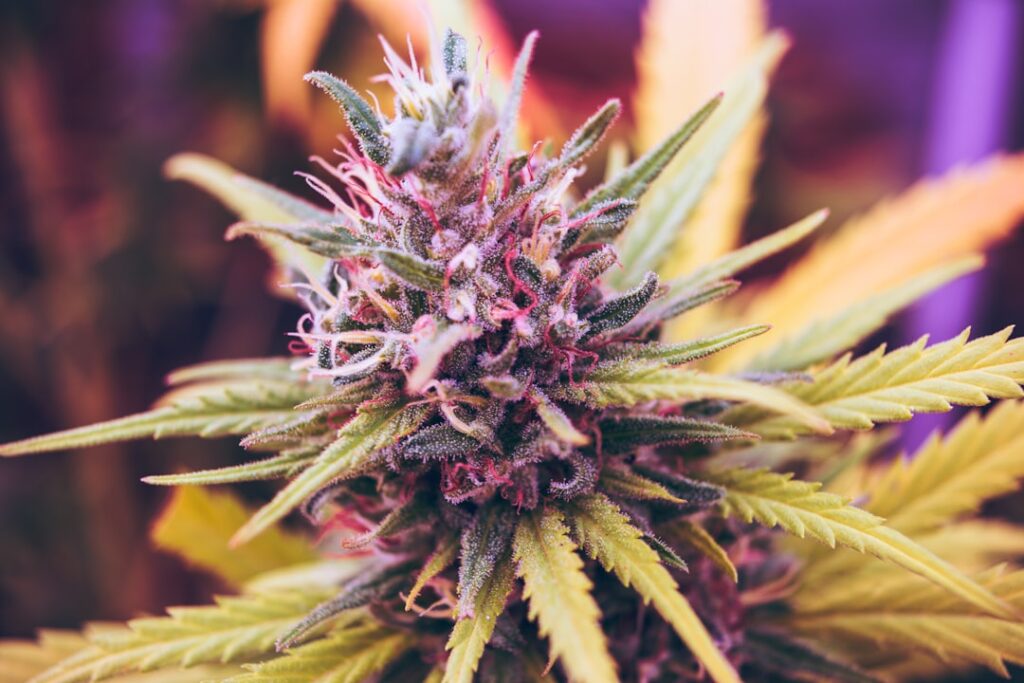
Skunk is one of the pillars of the cannabis industry, which led to the creation of some of the most iconic and potent hybrid strains. Here’s everything to know about skunk weed and why this strain is so important. Understanding Skunk Weed Skunk is a variety of cannabis, made by crossbreeding Cannabis sativa and Cannabis indica, creating a hybrid variety with unique characteristics. Skunk genetics are favorable to many cannabis cultivators, with its fast flowering time and heavy yield, while its resilience makes it easy to maintain, perfect for beginner growers. The height of the plant can vary, depending on the dominant genetics. Sativa plants tend to be taller than indica plants, but skunk can grow to a medium height if the genetics are balanced. Skunk Weed Origins This legendary strain got its name due to its pungent and distinct smell. Skunk was created in the late 1970s, with Skunk#1 becoming a legendary cannabis strain, made from crosbreeding Afghani (indica), Acapulco Gold (sativa-dominant), and Colombian Gold (sativa). David Watson, also known as Sam the Skunkman, was a cannabis breeder and a member of the Sacred Seed Collective. He created Skunk#1 and popularized it by bringing skunk seeds to Amsterdam, as...