
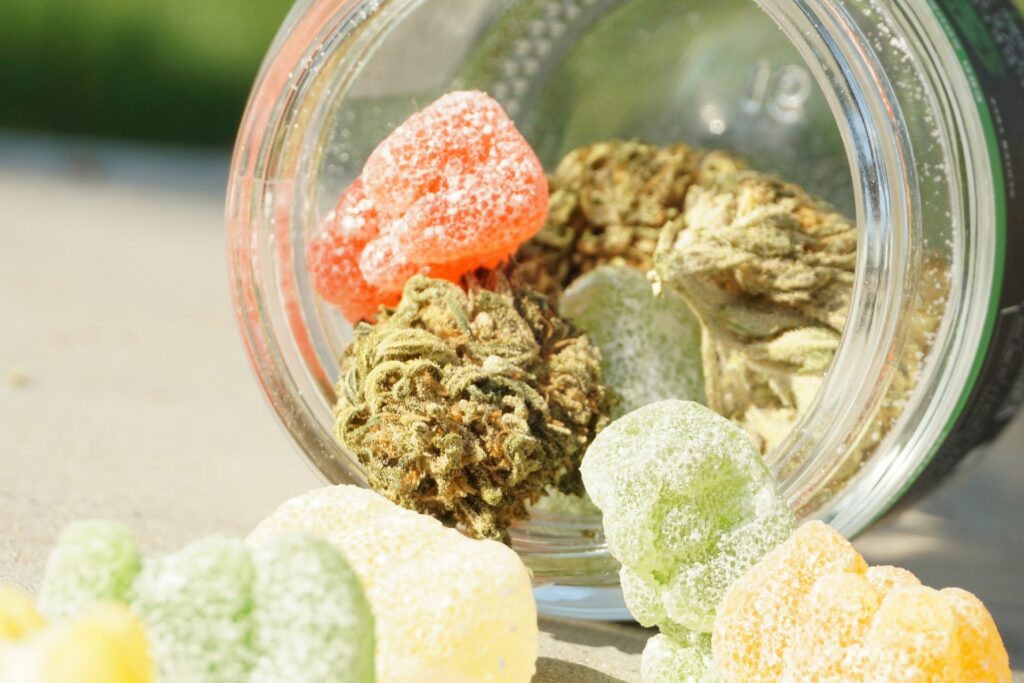
Ever eaten an edible, decided it clearly wasn’t working, taken more, and then deeply regretted that decision? If you have, don’t feel dumb—almost everyone else has, too. It’s the rite of passage in cannabis culture.
So common it’s become a cliché. That’s because edibles take longer to take effect than people expect.
Anywhere from 30 minutes to 2 hours is a realistic window, and that range is wide for a reason. Here’s what stands between a good experience and spending four hours on the couch wondering where things went wrong.
Why Edibles Take Longer Than Other THC Products
When you smoke or vape cannabis, THC enters your bloodstream through your lungs almost immediately. The effects come on within minutes because the path from consumption to your brain is short and direct.
Edibles are a different ballgame altogether. When you eat a cannabis-infused product, it has to travel through your digestive system before anything reaches your bloodstream.
Your stomach breaks it down. It moves to your small intestine, gets absorbed, and then passes through your liver, where THC gets converted into a compound called 11-hydroxy-THC. That conversion is important because 11-hydroxy-THC crosses the blood-brain barrier more efficiently than regular THC and tends to produce a stronger, longer-lasting effect.
Since it’s a fundamentally different pharmacological experience than inhaling, the whole process takes more time. How much time depends on a few things.
What Affects How Long Edibles Take to Kick In
How much time it will take for edibles to kick in depends on these factors and how they interact with each other.
- What you’ve eaten beforehand: This is probably the single biggest variable. Taking an edible on an empty stomach means faster absorption (sometimes as quick as 30 to 45 minutes). Taking one after a large, fatty meal can push onset to 2 hours or beyond, because your digestive system is already working through a lot. Neither is better or worse, but knowing the difference helps you plan.
- Your metabolism: People with faster metabolisms generally process edibles more quickly. Age, activity level, and individual body chemistry all play a role here, which is part of why two people can eat the same edible and have two very different timelines.
- Type of edible: Standard edibles (gummies, chocolates, or baked goods) go through full digestion and liver processing, which is why onset is slower. Sublingual products like tinctures and dissolvable strips absorb through the tissue under your tongue and bypass the digestive system almost entirely, typically kicking in within 15 to 30 minutes. Some beverages and nano-emulsified edibles use technology that breaks THC into smaller particles for faster absorption, which means these can start working in as little as 15 to 20 minutes.
- Potency and dose: A higher dose doesn’t necessarily kick in faster, but the effects will be more pronounced once it does. A very low dose may produce effects so subtle they’re easy to miss, which can lead people to assume nothing is working when it actually is.
- Tolerance: Regular cannabis consumers tend to feel edibles less intensely and sometimes report a shorter perceived onset, though the underlying pharmacokinetics don’t change dramatically with tolerance.
How Long Do Edibles Last?
Longer than most people expect. Where inhaled cannabis typically produces effects for 1 to 3 hours, edibles commonly last 4 to 8 hours, with some people reporting effects that linger into the following day at higher doses. The 11-hydroxy-THC conversion that happens in the liver is largely responsible for that extended duration. This is also something to consider when you take an edible.
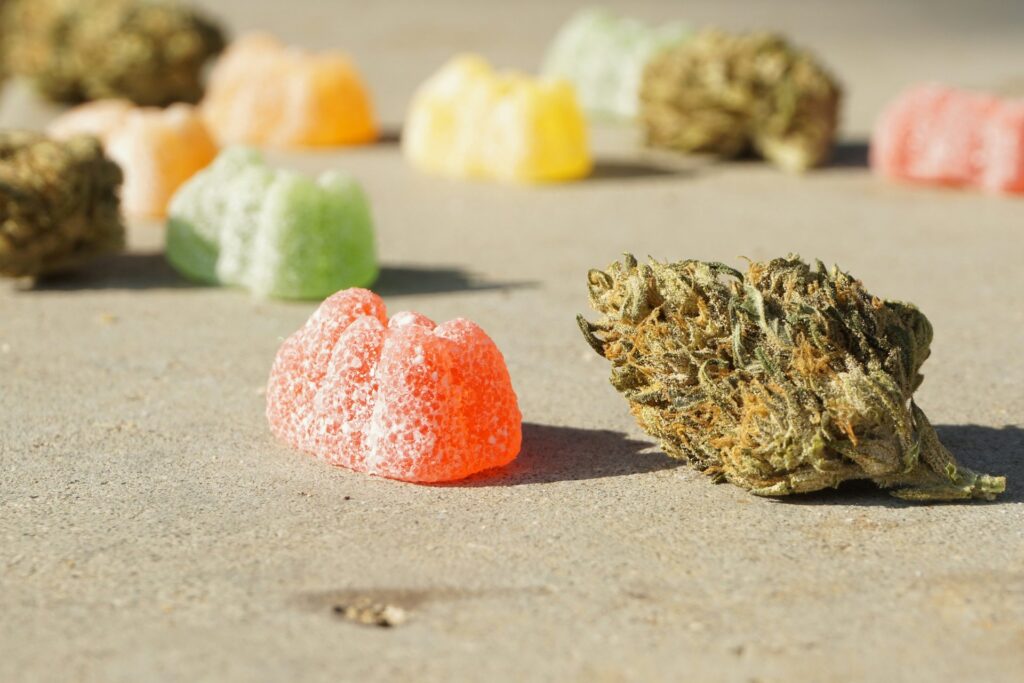
Start Low, Go Slow Is the Golden Rule
Given how variable the onset window is, the most consistently useful advice is to start with a low dose (2.5 to 5mg of THC for newer consumers) and wait a full 2 hours before considering taking more. That window feels long, but it covers the realistic range of onset times for most people in most situations.
Taking a second dose at the 45-minute mark because you don’t feel anything yet is how you overdo it. You can always take more later, but you can’t always undo an overwhelming experience.
A few practical things to keep in mind:
- Don’t mix edibles with alcohol: Alcohol significantly intensifies THC effects and can turn a moderate dose into an overwhelming one.
- Stay somewhere comfortable: Especially if it’s your first time with edibles, being in a familiar, relaxed environment will ease you in.
- Have CBD on hand: If the effects become too intense, CBD may help take the edge off. Some people also find that eating a snack, drinking water, or simply lying down helps ride it out.
- Keep track of the dose: Products from licensed dispensaries have consistent, lab-verified dosing. Homemade edibles don’t, and potency can vary from piece to piece.
What to Expect From the Experience
Beyond the delayed onset, edibles tend to produce a different kind of high than inhaled cannabis. The 11-hydroxy-THC conversion typically makes the effects feel more physical, more full-body, and often more intense, even at equivalent doses. Many people find edibles produce deeper relaxation and more pronounced sedation than smoking or vaping the same strain. Others find them more likely to trigger anxiety if the dose is too high.
Going in with lower expectations on dose and higher patience on timing is the most reliable approach, regardless of your experience level.
Finding the Right Edible at The Artist Tree
The Artist Tree carries a range of options across formats and potencies. Our guides can walk you through what to expect from different product types and help you find a starting point that makes sense for where you are. Stop by your nearest dispensary location or browse our edibles menu online, and schedule a pickup.