
If you ever wondered why each cannabis strain has a signature taste, the answer lies in terpenes. Terpenes, like pinene, are the main aromatics that give cannabis a specific aroma and flavor, but it’s speculated that they have a much broader purpose. Here’s everything you should know about the terpene pinene and how it can impact your cannabis experience.
Understanding Terpenes
Terpenes are naturally occurring chemical compounds found in many plants, including cannabis plants. Terpenes are stored in the trichome glands of female cannabis plants. The main purpose of terpenes is to be aromatics and flavorants, giving cannabis and other herbs their signature taste and smell.
Each cannabis plant has a set of terpenes, which are determined by the plant’s genetics, so each plant has a unique flavor profile. Some cannabis strains are terpene-specific, while others have balanced terpene profiles with a mixture of multiple dominating terpenes. That’s why some cannabis is more fruity and citrusy, while others are earthy, spicy, woody, diesel-like, and everything in between.
Different types of terpenes
The number of terpenes found across a variety of plants is estimated to be in the tens of thousands. On the other hand, there are over 200 different kinds of terpenes that are present in the cannabis plant. Terpene profiles can vary, as some terpenes are more abundant than others, depending on the cannabis strain and the plant’s genetics.
The most common terpenes and their signature aromas include:
- Limonene (citrusy, zesty, bitter-sweet aroma)
- Linalool (floral, herbal aroma)
- Myrcene (musky, earthy, and sometimes exotic aroma)
- Humulene (earthy or woody aroma)
- Caryophyllene (woody or spicy aroma)
Pinene
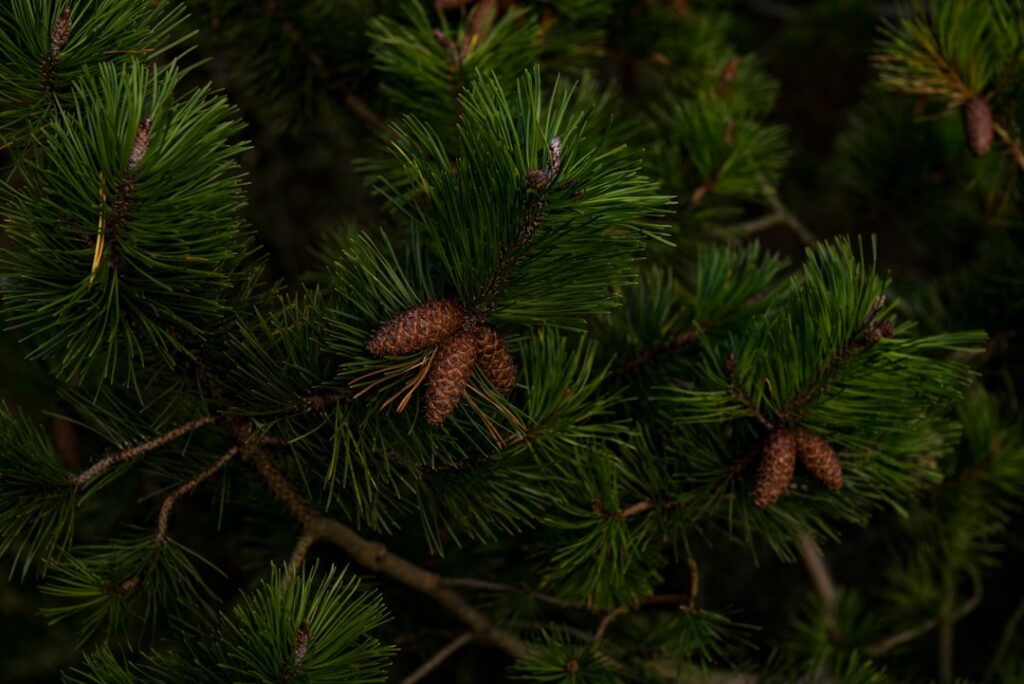
Pinene is one of the most abundant terpenes found in pine needles, basil, rosemary, and cannabis plants. It delivers crisp, woody, refreshing notes that make cannabis products, herbal products, and essential oils easily recognizable. There are two different versions of this terpene, alpha-pinene and beta-pinene. Alpha-pinene resembles the pungent pine-tree aroma, and it’s predominantly found in rosemary, sage, and pine needles. Beta-pinene resembles a more herbal, woody aroma, and it’s predominantly found in herbs like hops, basil, and dill. Both types of pinene can be found in cannabis plants.
There is a wide range of commercially popular cannabis strains rich in pinene, including:
- Big Smooth (indica-dominant hybrid)
- Blue Dream (sativa-dominant hybrid)
- Harlequin (sativa-dominant hybrid)
- Cannatonic (hybrid)
- Crunch Barries (hybrid)
- Bubblegum Gelato (indica)
- Cherry Gelato (indica-dominant hybrid)
The Entourage Effect Between Terpenes and Cannabinoids
While cannabinoids like Tetrahydrocannabinol and Cannabidiol, also known as THC and CBD, are predominantly responsible for producing effects, it is theorized that terpenes can contribute as well. Cannabinoids and terpenes may work in synergy, creating a so-called entourage effect that can enhance and alter the overall effects. It is believed that a full-spectrum THC (with other cannabinoids, terpenes, and flavonoids) and isolated THC can potentially differ in effects.
It’s important to note that many things play a role in cannabis effects, including cannabinoid and terpene profiles, dosage, personal tolerance to cannabis, and many other factors.
Ongoing Research
The potential therapeutic benefits and effects of pinene, as well as other terpenes is being researched in practice, especially how terpenes interact with the human body via the entourage effect. So far, the primary purpose of pinene is to be an aromatic and flavorant, delivering a pine-like, woody, refreshing aroma in various products.
Understanding terpenes and the different kinds of terpenes, like pinene, can truly help with picking the right cannabis product for you, especially if you are unsure what kind of flavor and aromas are available. Find your nearest dispensary and get familiar with the wide selection of cannabis products that fit your potency and flavor preferences.