
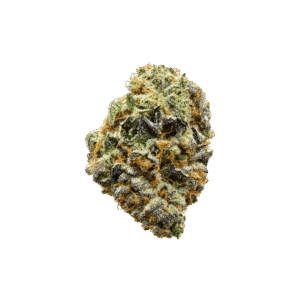
zangria weed strain

Hybrid

Zangria

4.8 (247 reviews)

Zangria is a unique cannabis strain bred by Wicard Trees. This strain is created by crossbreeding Zkittlez (indica-dominant hybrid strain) and Thin Mint Cookies (indica-dominant hybrid strain). 

About Zangria Strain

A quick overview of the  Zangria strain: 

  • Type: Hybrid strain (50% sativa, 50% indica) or Indica-leaning hybrid strain
  • THC Range: 20%
  • Dominant terpenes: Limonene (citrus), Myrcene (herbal)
  • Aroma and Flavor Profile: sweet, fruity, tropical, citrus, candy-like, fuel


Zangria is considered an exotic cannabis strain and sold in a variety of formats, with whole flower being favored amongst cannabis connoisseurs. 

Zangria has a few popular variants: Zangria S1 (a cross between Zangria and Zangria) and Zangria Funk (a cross between Chem D and Zangria). 

This strain has a distinct physical appearance, available in a range of colors such as forest greens and deep purples with golden, orange, or green undertones. Buds are dense and compact, and contain orange pistils (hair-like strands). The surface is heavily covered with a layer of trichomes, giving the buds a frosty, glistening appearance. 

Zangria Cultivation Notes

  • Genetics: A 50/50 hybrid cross of Thin Mint (Girl Scout Cookies phenotype) and Zkittlez (aka “The Original Z”), bred by Wizard Trees. THC around 20%, though one grower lists a higher range of 25-29%, so expect some batch/pheno variation.
  • Climate: The Zkittlez side contributes a slightly more open bud structure than a pure Cookies phenotype, which helps with airflow — but humid late-season environments still require attention.
  • Growth pattern: Produces dense, resin-heavy buds. Watch for the characteristic purple coloration to deepen in the final 10-14 days of flower — this signals peak terpene development, similar to the temperature-driven purpling you saw with GDP and Grape Ape (also part of this Zkittlez-adjacent lineage).
  • Flowering time: Generally finishes in 8-9 weeks (56-63 days) from flip to chop; outdoor harvest typically late September to early October.
  • Yield: Not explicitly quantified across sources.
  • Susceptibility: Because Zangria tends to produce dense, resin-heavy buds, growers should maintain good airflow in the final weeks of bloom to prevent botrytis (bud rot).
  • Nutrients: No unusual sensitivity specifically reported. One grower recommends organic IPM practices — neem oil, insecticidal soap, or beneficial insects (ladybugs, predatory mites) — for pest management during veg and flower.
  • Training techniques: LST or SCROG work well to maximize canopy light penetration and boost final weight.
Art piece made up of triangles

Find The Artist Tree
Near You

We have 11 locations in California. Stop in to see what’s new! Plus we offer Daily Deals up to 50% off on top brands.