
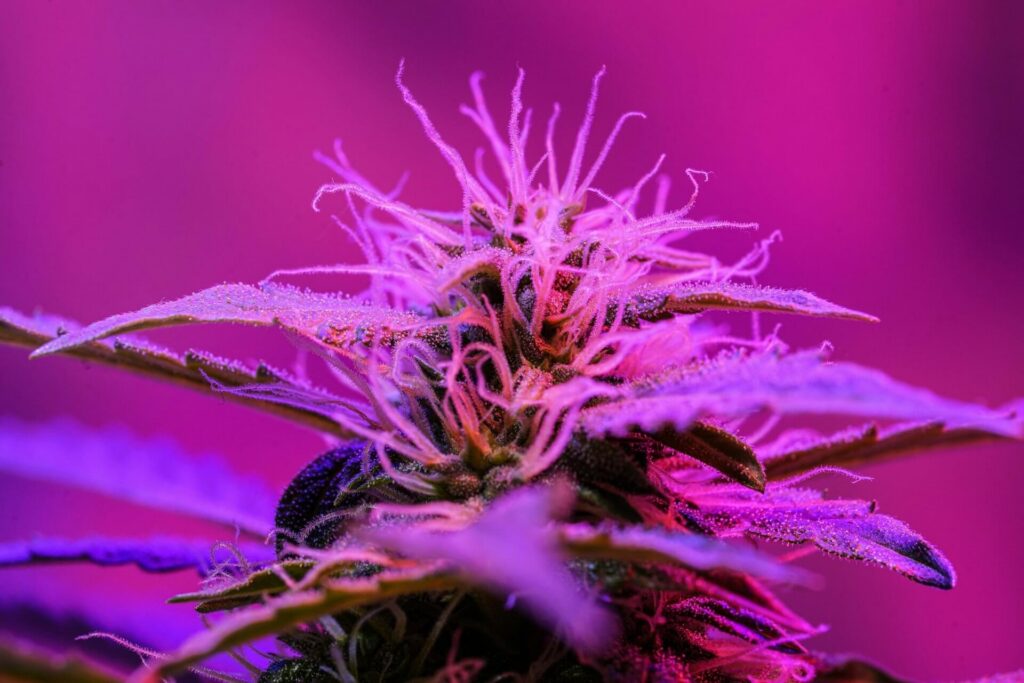
If you’ve spent any time browsing a dispensary menu, you’ve probably seen the word “exotic” thrown around. But what does it actually mean? Is it just marketing, or does it signal something real about the product?
What Makes a Strain Exotic?
There’s no official industry definition, but in cannabis culture, exotic strains are generally understood to be those that stand out from the standard selection in one or more meaningful ways:
- Unique genetic lineages: Bred from rare lineages that are not commonly available on the market.
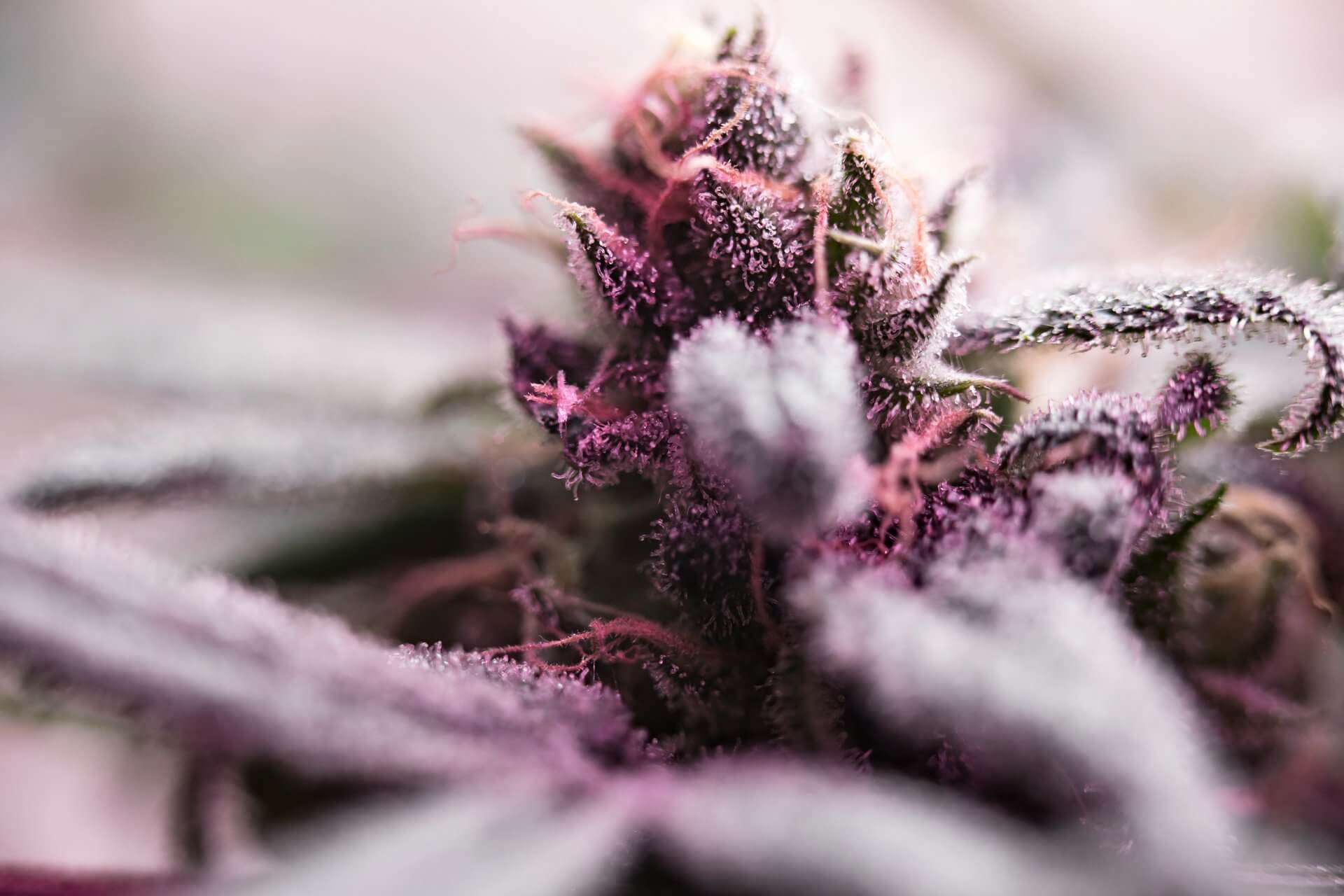
- Distinctive appearance: Deep purples, vivid oranges, heavy trichome coverage, or unusual bud structure.
- Unique terpene profiles: Complex and unexpected aroma combinations that go beyond the standard earthy or skunky baseline.
- High THC potency: Rare strains often test at the higher end of the THC spectrum, though that alone does not make for an exotic strain.
- Small-batch or craft cultivation: Grown in limited quantities with extra attention to growing conditions, curing, and quality control.
Exotic vs. Top Shelf
Top shelf and exotic are two terms that get thrown around a lot, and both represent premium cannabis products, making it easy to get confused. They differ in focus.
- Top shelf: A quality tier, referring to the superior, consistent growing and curing quality, regardless of strain variety.
- Exotic: All about genetics and distinctiveness. It refers to strains that stand out from common varieties through rare lineage, unusual appearance, or a terpene profile you won’t find on every menu.
The overlap is real. Most exotic strains are also top shelf by default because rare genetics are rarely paired with mediocre growing. But not everything top shelf is exotic, and that’s the key distinction.
Where Do Exotic Strains Come From?
Most exotic strains are the product of deliberate, long-term breeding work. Cultivators spend years crossing existing genetics to lock in specific traits, like a distinctive terpene expression, an unusual color, a particular effect profile. They then stabilize those traits across multiple generations before the strain ever reaches a dispensary shelf.
A lot of the genetics behind today’s most sought-after exotics trace back to California’s underground market, where breeders were doing this work long before legalization gave them a legitimate platform.
What “exotic” is also comes down to where you are. A strain that’s been sitting on shelves in Los Angeles for three years is anything but exotic to someone shopping here. That same strain appearing for the first time in a new market is a different story entirely. The traditional threshold has always been a combination of regional rarity and genuine distinctiveness. That’s part of why the term is hard to pin down with a single clean definition.
Popular Exotic Cannabis Flower Strains
Names that stand out in the world of exotic weed strains include:
- Runtz: Known for its candy-like aroma, colorful appearance, and balanced hybrid effects, is one of the most recognized exotic genetics of the past decade.
- Gelato: A cross of Sunset Sherbet and Thin Mint GSC with a sweet, dessert-like terpene profile with potent, well-rounded effects.
- Wedding Cake: A high THC, indica-leaning hybrid with dense, trichome-heavy buds with a rich, tangy flavor profile.
- Zoap: A newer entry crossing Rainbow Sherbet and Pink Guava. Bright, fruity aroma with strong, fast-acting effects.
- Truffle Sundae: A hybrid strain born from the union of Chocolate Kush and Gelato 41, is a balanced mix of sativa and indica genetics.
Are Landrace Strains Exotic?
No, landrace strains are not considered exotic, but rather the exact opposite. While exotic strains are highly engineered for specific traits, landraces are indigenous cannabis varieties cultivated by farmers in specific geographic regions and are never crossbred. They are rare, but not exotic.
Is “Exotic” Just a Marketing Term?
Sometimes, yes. The word has been used loosely enough that it doesn’t always guarantee a premium experience. A strain can be labeled exotic simply because it’s new to a particular market, or because it has an unusual name, without the genetics or terpene profile to back it up.
The best way to cut through the marketing is to read the label. A genuinely exotic strain will show it in the COA via a complex terpene panel, verified potency, and clean test results. If the only thing exotic about a product is the packaging, the numbers will tell you.
Above all else, always buy from licensed and reputable sellers to make sure you’re getting what you pay for. Find your nearest dispensary and explore the selection of exotic strains available.