
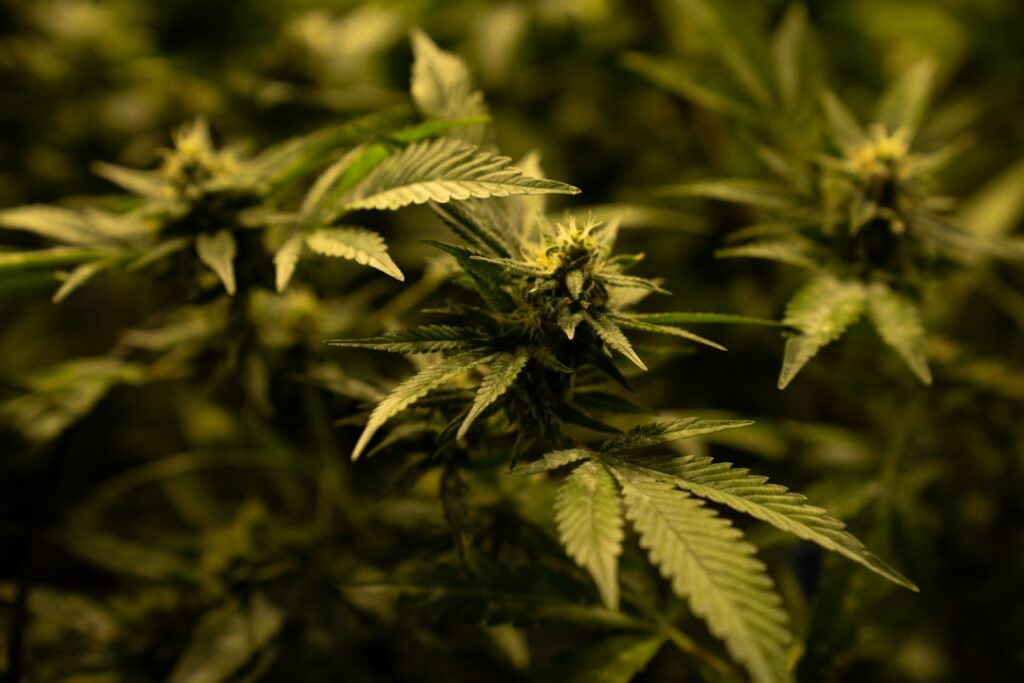
THCA is a well-known term, widely used within the cannabis community, but not a lot of people know what THCA actually is. Here’s everything to know about this cannabinoid and how it differs from other cannabinoids.

What are Cannabinoids?
Cannababinoids are natural chemical compounds produced by trichomes within the cannabis plants. There are over 100 different cannabinoids, with Tetrahydrocannabinol (delta-9 THC) and Cannabidiol (CBD) being the most abundant cannabinoids found in the cannabis plant. The cannabinoid profile is responsible for delivering specific effects. Delta-9 THC, delta-8 THC, and delta-10 THC are known for producing a ”high” due to their psychoactive properties, while Cannabidiol (CBD), Cannabinol (CBN), Cannabigerol (CBG), and Cannabichromene (CBC) are nonintoxicating cannabinoids, known for their potential therapeutic benefits. There are three main categories of cannabinoids, including:Endocannabinoids
Endocannabinoids are neurotransmitters found in the human body. Their purpose is to interact with the body’s endocannabinoid system (ECS), which consists of receptors CB1 and CB2.Acidic Cannabinoids
Acidic cannabinoids, such as THCA (tetrahydrocannabinolic acid) and CBDA (cannabidiolic acid), are natural forms of cannabinoids found in raw cannabis plants.Synthetic Cannabinoids
Synthetic cannabinoids are man-made cannabinoids, usually illicitly synthesized in a lab. Their main purpose is to mimic naturally occurring chemicals and their effects. Due to a lack of regulations, synthetic cannabinoids are deemed dangerous to consume.Tetrahydrocannabinolic Acid (THCA)
Tetrahydrocannabinolic acid, or THCA, is the acidic form of THC, found in fresh cannabis plants, raw cannabis buds, and hemp plants. THCA is nonintoxicating on its own, and through the process of decarboxylation, it converts THCA into THC. Decarboxylation is a chemical process triggered by heat. The most popular THCA forms are THCA flower, THCA pre-rolls, and THCA concentrates, such as THCA Diamonds or Crystalline THCA. These concentrates are highly potent and pure, and can be used in a variety of ways.The Difference Between THCA and THC
THCA and THC are not the same cannabinoids, as THCA does not produce psychoactive effects, while THC does. THCA becomes a psychoactive substance once it’s heated by smoking, vaporizing, or cooking and transformed into THC.
How to Consume THCA
The cannabis industry offers various THCA products to choose from, depending on your consumption preference and goals. It’s important to note that some consumption methods will turn THCA into THC, making it an intoxicating cannabis product. THCA can be consumed for its non-psychoactive, therapeutic effects. The most common ways to consume THCA include:- Smoking: THCA flower is smoked with a pipe, bong, or joint, or via THCA pre-rolls.
- Vaping: By using THCA cartridges or disposable THCA all-in-one vapes.
- Dabbing: Using dab tools to consume THCA concentrates such as THCA Diamonds for a potent and flavorful experience. THCA Sauce and THCA Badder are also common picks.
- Infusing Edibles: After decarboxylating your THCA, you can make edibles that fit your preference and taste.
- Consuming raw THCA cannabis: Juicing is a popular way to enjoy the benefits of THCA without the psychoactive effects by adding raw cannabis leaves into your juice. Fresh cannabis leaves can also be considered as a salad.
- Topicals: For those seeking localized relief, THCA topicals can be applied directly to painful areas. This method doesn’t produce intoxicating effects.