
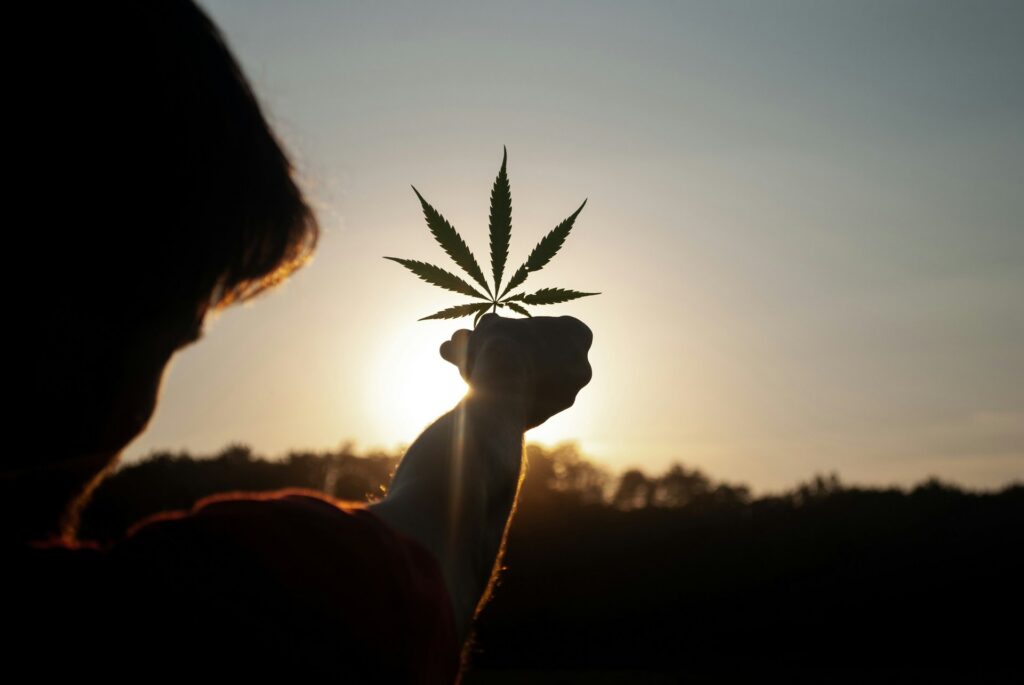
Cannabis is a plant. It grows from soil, water, and light, and, for most of human history, that’s how it was cultivated. But as the legal cannabis industry has scaled rapidly, the word “organic” has started appearing more and more on dispensary menus and marketing materials. What does it mean, and, more importantly, does it change your experience enough to matter?
What Does “Organic” Mean in the Cannabis Industry?
In the food industry, the word “organic” has a legal definition backed by the USDA’s National Organic Program. For cannabis, it’s more complicated. Because cannabis remains a Schedule I controlled substance at the federal level, the USDA cannot officially certify cannabis as organic even in states where it’s fully legal.
That means when you see “organic” on a cannabis product, it’s not the same certified label you’d see on a carton of eggs or a salad bag. Instead, growers use a range of terms and third-party to signal their growing practices:
- Clean Green Certified Program: Modeled closely on USDA organic standards, this is one of the most recognized third-party certifications in the industry.
- Certified Kind: Another third-party program that audits cannabis cultivators for sustainable and organic practices.
- Sun+Earth Certified: Focused on regenerative farming, living soil, and fair labor practices.
- “Pesticide-free” or “no synthetic inputs”: Language used by many small-batch cultivators who follow organic practices without formal certification.
While these aren’t legally equivalent to USDA Organic, they’re meaningful signals of how a crop was grown. They’re also backed by actual audits and site visits, not just marketing copy.
How Is Organic Cannabis Grown?
Organic cultivation is centered around working with natural systems. In practice, that means:
- Living soil: Organic growers feed the soil ecosystem with compost, worm castings, mycorrhizal fungi, and other amendments instead of synthetic nutrients.
- No synthetic pesticides or herbicides: Pest management relies on beneficial insects, companion planting, and natural sprays like neem oil as opposed to synthetic chemical pesticides.
- No synthetic fertilizers: Instead of using salt-based, water-soluble nutrients that deplete the soil, organic farming builds the soil.
- Sustainable practices: Many organic farmers go further by composting waste, reducing water usage, and working to improve soil health over time rather than simply maintaining it.
These organic growing practices then reflect in the plant itself, helping it absorb more natural nutrients.
Does Organic Cannabis Taste or Feel Different?
This is the question most people actually want answered, and the honest answer is: often, yes. Cultivators and consumers both report that cannabis produced organically tends to have a more complex and nuanced terpene profile, including the terpenes responsible for aroma, flavor, and much of the entourage effect.
Anecdotally, the feedback is consistent. Organic flower often has more depth of flavor, a smoother smoke, and a more layered effect profile compared to conventionally grown alternatives. But it’s not universal. A well-grown conventional crop can absolutely outperform a poorly grown organic one, but the ceiling for organics, when done right, tends to be higher.
Is Organic Cannabis More Expensive?
Typically, yes, and for understandable reasons. Growing organically is more labor-intensive, living soil requires more attention, time, and skilled cultivation, and the organic inputs cost more than synthetic nutrients. Organic cannabis farms also prioritize quality over yield, which makes the output per square foot frequently lower.
What to Look for When Shopping Organic Cannabis
Because “organic” isn’t legally regulated for cannabis, it’s worth knowing how to evaluate a product beyond the label. Here’s what to look for:
- Third-party certifications: Clean Green, Certified Kind, or Sun+Earth Certified are your best indicators of genuinely organic growing practices.
- Named cultivators: Small-batch, craft growers who name their farms and stand behind their growing practices are more accountable than anonymous mass-market flower.
- Lab reports: Look for a Certificate of Analysis (COA) via the QR code on the package for full transparency on what’s in the product.
- Terpene profiles: Organically grown flower tends to have richer, more detailed terpene reports. A flower with a complex, multi-terpene expression is often a sign of quality cultivation, whatever the growing method.
Is Organic Cannabis Worth It?
For the right consumer, yes. If you care about flavor and complexity, prefer to minimize chemical exposure, want to support environmentally responsible farming practices, or simply enjoy the idea of a product that’s as close to its natural form as possible, organic cannabis is worth exploring.
If you’re mainly looking for a consistent, affordable everyday option and lab-tested safety is your baseline threshold, then conventionally grown cannabis from reputable brands delivers exactly that.
The good news is you don’t have to choose a camp. Our shelves carry both, from accessible, trusted everyday brands to small-batch and craft flower from growers who take their soil as seriously as their strains. Find your nearest dispensary to try out organic cannabis or stick to regular.