

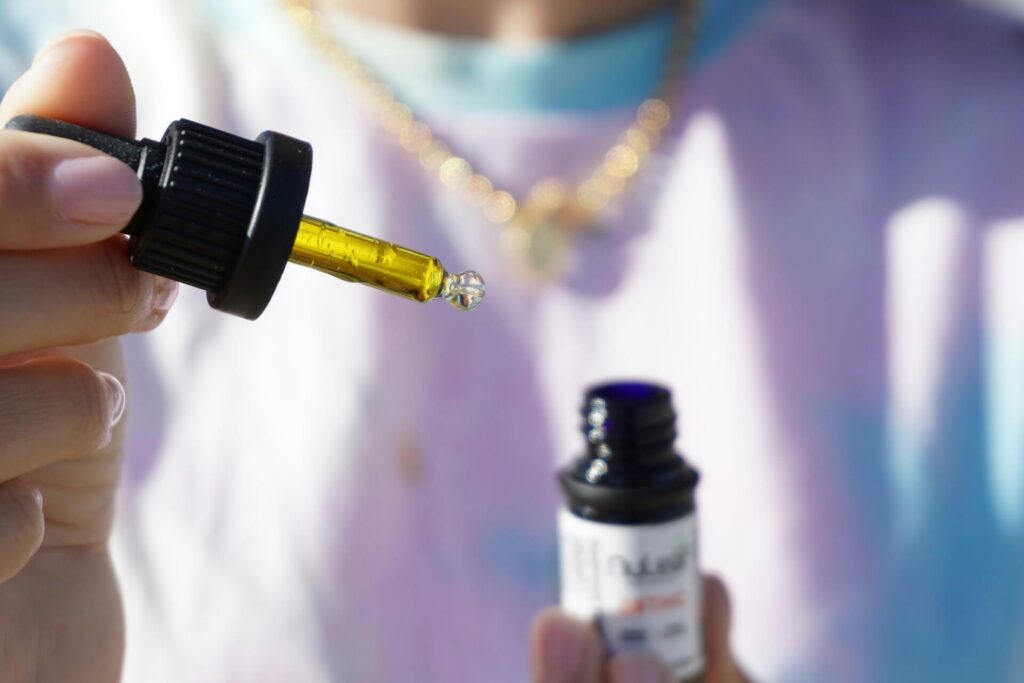
If you don’t like smoking or vaping and edibles feel too unpredictable, tinctures might just be your thing. They’re one of the oldest ways people have consumed cannabis (tinctures were listed in the U.S. Pharmacopeia until 1942), and they’re having a real comeback right now among people who want precise dosing without smoke or vapor. What Is A Cannabis Tincture? A tincture is a liquid cannabis extract, usually suspended in alcohol, MCT oil, or glycerin, that comes in a small glass bottle with a dropper. That dropper is the MVP here because it lets you measure an exact dose down to the milligram, instead of estimating how much you’re inhaling or hoping a gummy is evenly dosed. Most bottles list the milligrams of THC (and sometimes CBD) per milliliter, so a full dropper gives you a known, repeatable dose every time. How THC Tinctures Work This is where tinctures differ from almost every other cannabis product, and it comes down to holding it under your tongue instead of swallowing it right away. The tissue under your tongue is thin and full of blood vessels. When you hold a tincture there for 60 to 90 seconds, a portion of the cannabinoids...
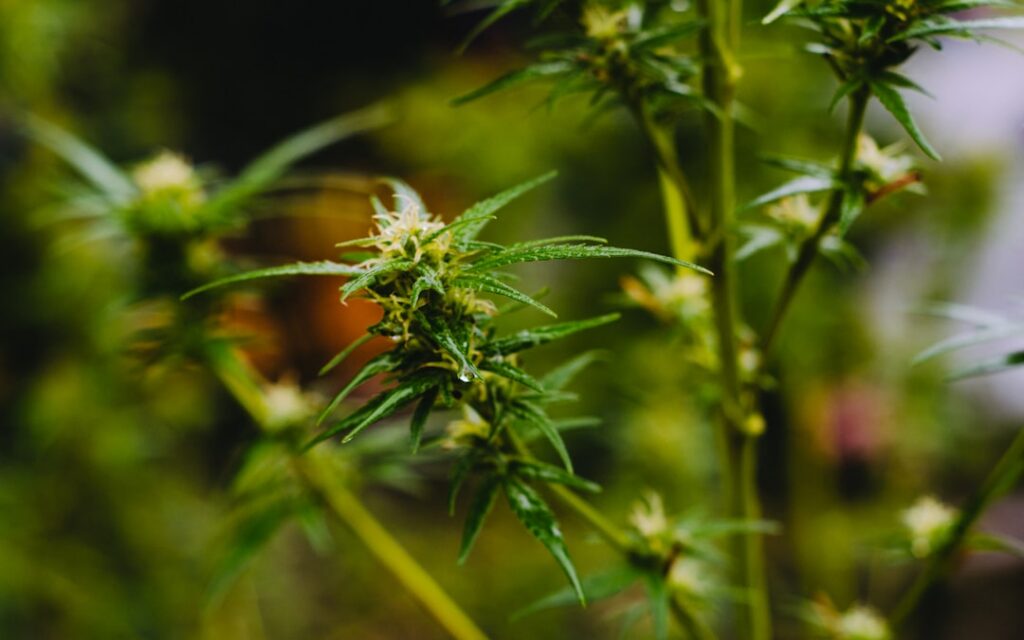
Terpenes are one of the essential parts of every cannabis product, but a big part of the cannabis community has no idea why they are so important. Here’s everything to know about them and how they can impact your cannabis experience! Understanding Terpenes Terpenes are naturally derived compounds found in various plants, including cannabis. These compounds are natural flavorants and aromatics that give cannabis its signature scent. Terpene content can vary, depending on the genetics of the cannabis plant. Some cannabis plants have one or two dominating terpenes, and some are more balanced and have layered flavors. There are over 200 different terpenes that can be found in the cannabis plant alone, but it’s speculated that there are thousands of different types across other plants. The most common terpenes and their signature aromas include: Limonene (citrus, bitter-sweet aroma) Pinene (crisp, woody, pine tree aroma) Myrcene (musky, earthy, and sometimes exotic aroma) Humulene (earthy or woody aroma) Linalool (floral, herbal aroma) Caryophyllene (woody or spicy aroma) Limonene Limonene is a terpene with zesty, citrusy, bitter-sweet notes that are popular both in the cannabis industry as well as the essential oil industry. Some popular strains that are high in limonene include Super...
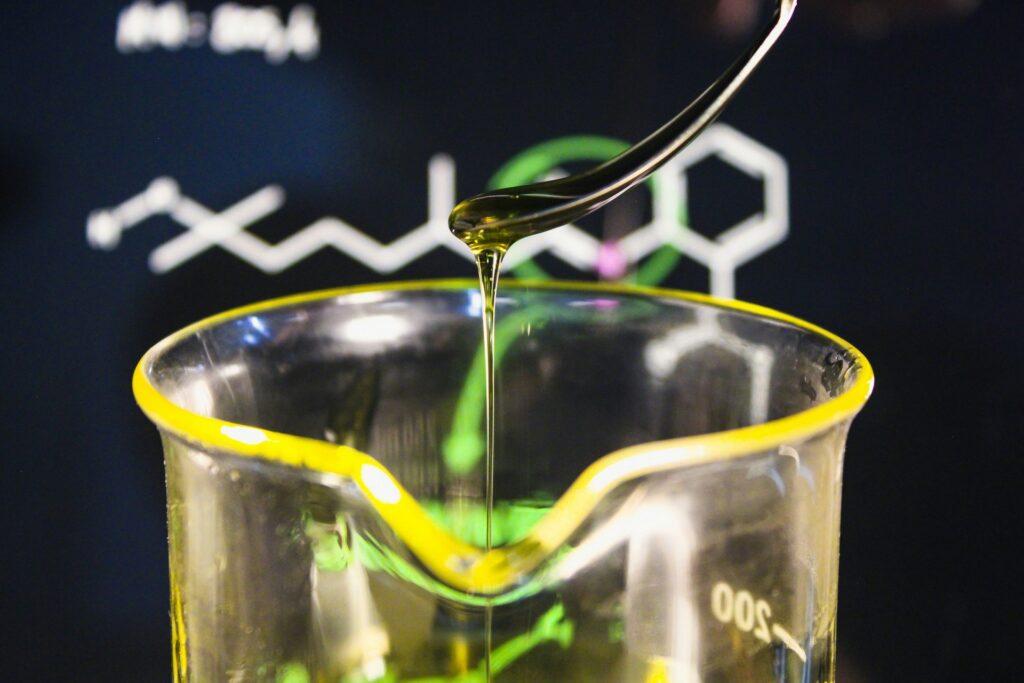
Cannabis science moves fast, and the cannabinoid landscape has expanded well beyond THC and CBD. One of the newer additions to that conversation is HHC, a compound that’s been showing up on dispensary shelves and in online stores with increasing frequency, usually marketed as a legal, milder cousin of THC. If you’ve seen it on a label and weren’t sure what to make of it, here’s what you need to know and why we don’t carry it. What is HHC? HHC stands for hexahydrocannabinol. It’s a cannabinoid that technically does exist in the cannabis plant, but in such minuscule quantities (a small fraction of a percent of the plant’s dry weight) that extracting it directly from cannabis at any real scale just isn’t practical. That means that almost none of the HHC sold commercially comes from a plant at all. It’s made in a lab. How HHC Is Made Manufacturers start with CBD, which hemp produces in abundance, and convert it into THC, then push it through a chemical process called hydrogenation, essentially adding hydrogen atoms to the molecule until it becomes HHC. That’s why it’s called semi-synthetic—it starts with something natural (CBD), but is ultimately made in a lab...
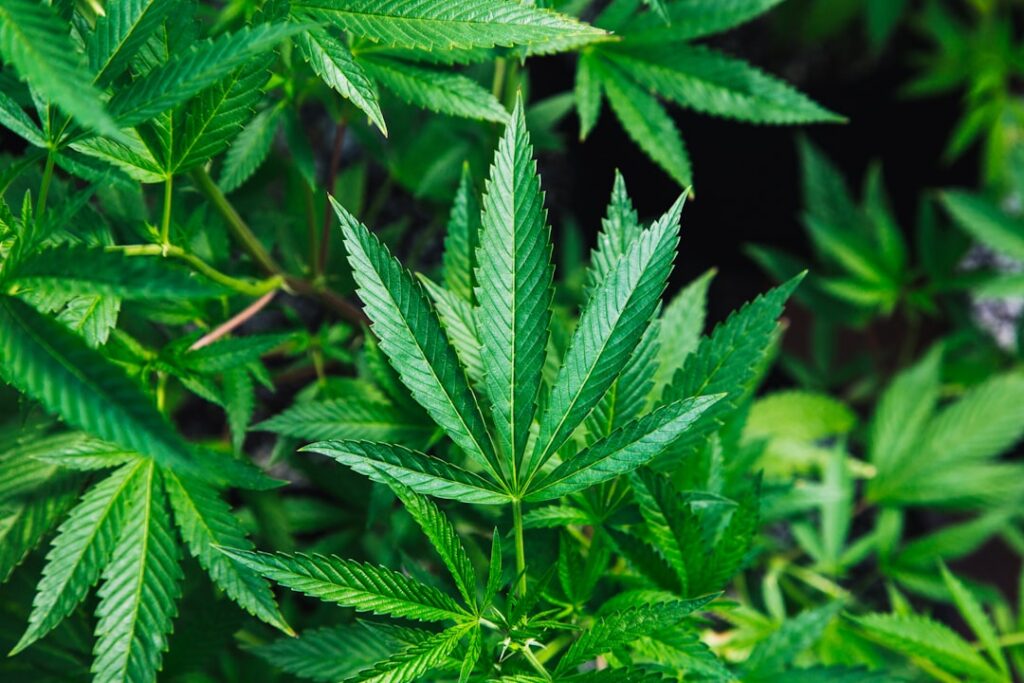
THC is one of the most prominent cannabinoids found in the cannabis plant. Here’s everything you should know about it before choosing your next THC-infused product. Cannabinoids Cannabinoids such as Delta-9-Tetrahydrocannabinol (THC) or Cannabidiol (CBD) are phytocannabinoids, naturally derived chemical compounds. There are over 100 different phytocannabinoids found in cannabis plants, all offering unique effects. Other notable cannabinoids include: Delta-8-THC Delta-10-THC Cannabinol (CBN) Cannabigerol (CBG) Cannabichromene (CBC) THC vs. CBD Delta-9-Tetrahydrocannabinol, Delta-9 THC, or just THC, is the main psychoactive component of cannabis, while Cannabidiol or CBD, is the non-intoxicating cannabinoid that doesn’t produce a ”high”. Effects and Benefits of THC THC-infused products are used for both recreational and medical purposes due to their relaxing, uplifting, or euphoric effects. When consumed, THC reaches the bloodstream and interacts with cannabinoid receptors to cause intoxication or the so called ”high” effect. The dose, method of consumption, and personal tolerance to cannabis can influence the effects of THC, as well as the presence of other cannabinoids. A blend of THC and CBD can offer balanced, psychoactive effects. Side Effects of THC can occur if a higher dose of the cannabis product is consumed, including heightened anxiety and disorientation. Popular THC Products and How...
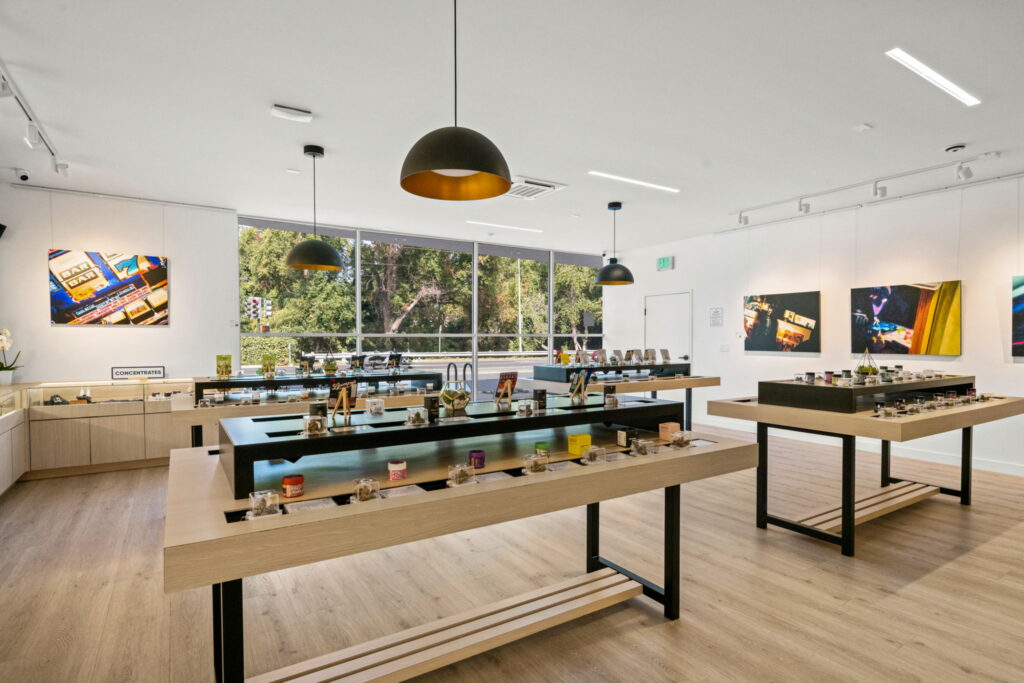
Cannabidiol (CBD) is one of the key non-psychoactive compounds found in the cannabis plant, highly regarded for delivering wellness benefits without the “high” that comes with THC. CBD comes in a few different forms: full spectrum, broad spectrum, and isolate. Of the three, CBD isolate is the simplest, but that simplicity is exactly what makes it appealing to a lot of people. What Is CBD Isolate? CBD isolate is CBD in its purest form. Every other compound naturally found in the hemp plant is removed through an extraction and purification process, including other cannabinoids, terpenes, and plant matter. What’s left behind is pure CBD, typically in a crystalline or powder form, with a purity level of 99% or higher. Because of this, CBD isolate is usually flavorless and odorless, which makes it easy to add to drinks, food, or anything else you make at home without changing the taste. Full Spectrum vs Broad Spectrum vs CBD Isolate Understanding where isolate fits means understanding the other two options first. Here’s how they all compare. Full Spectrum CBD Broad Spectrum CBD CBD Isolate THC content Trace amounts (under 0.3%) None (removed during processing) None Other cannabinoids Full range (CBN, CBG, CBC, etc.)...
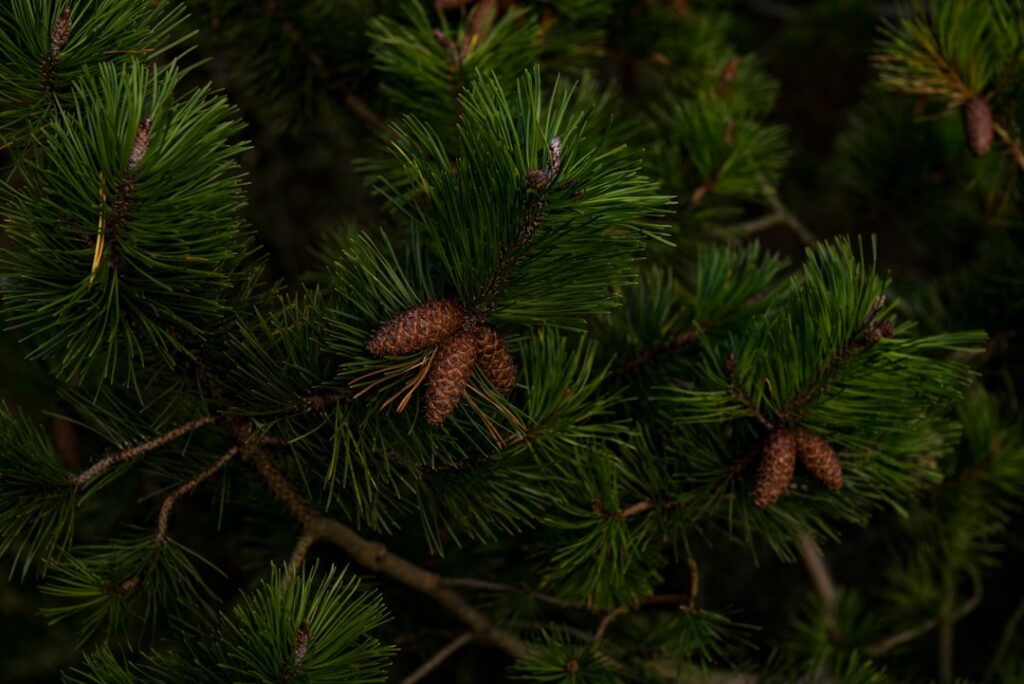
If you ever wondered why each cannabis strain has a signature taste, the answer lies in terpenes. Terpenes, like pinene, are the main aromatics that give cannabis a specific aroma and flavor, but it’s speculated that they have a much broader purpose. Here’s everything you should know about the terpene pinene and how it can impact your cannabis experience. Understanding Terpenes Terpenes are naturally occurring chemical compounds found in many plants, including cannabis plants. Terpenes are stored in the trichome glands of female cannabis plants. The main purpose of terpenes is to be aromatics and flavorants, giving cannabis and other herbs their signature taste and smell. Each cannabis plant has a set of terpenes, which are determined by the plant’s genetics, so each plant has a unique flavor profile. Some cannabis strains are terpene-specific, while others have balanced terpene profiles with a mixture of multiple dominating terpenes. That’s why some cannabis is more fruity and citrusy, while others are earthy, spicy, woody, diesel-like, and everything in between. Different types of terpenes The number of terpenes found across a variety of plants is estimated to be in the tens of thousands. On the other hand, there are over 200 different kinds...
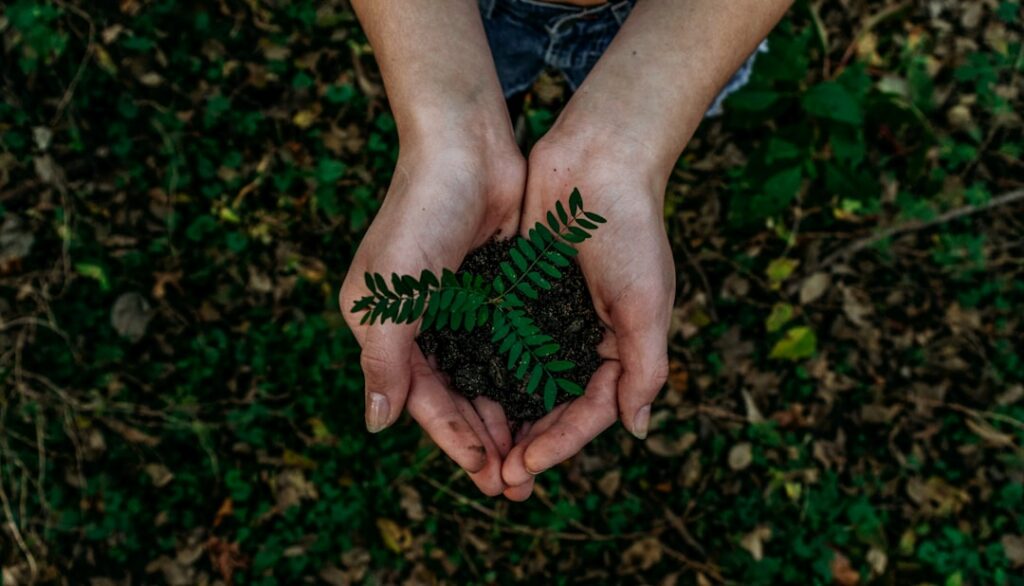
Cannabis plants get their aroma and flavor from terpenes. There are many types of terpenes, each having unique properties and notes that can shape the overall cannabis experience. Here’s everything you should know about myrcene, one of the most abundant terpenes present in cannabis. Understanding Terpenes Terpenes are naturally occurring chemical compounds found in many plants, including cannabis. Terpenes in cannabis act as primary aromatics and flavorants, giving the plant its signature taste and smell. A cannabis strain can contain numerous terpenes at once and have a complex flavor profile, but the dominating terpene determines which flavor note stands out. That’s why some cannabis is considered fruity and zesty, while others are spicy, earthy, or even diesel-like. Different types of terpenes The number of terpenes found across a variety of plants is estimated to be in the tens of thousands. On the other hand, there are over 200 different kinds of terpenes that can be found in cannabis. Terpene profiles can vary, as some terpenes are more abundant than others, depending on the cannabis strain and the plant’s genetics. The most popular terpenes and their signature aroma include: Pinene (crisp, woody, pine-like aroma) Linalool (floral, herbal aroma) Limonene (citrusy, zesty,...
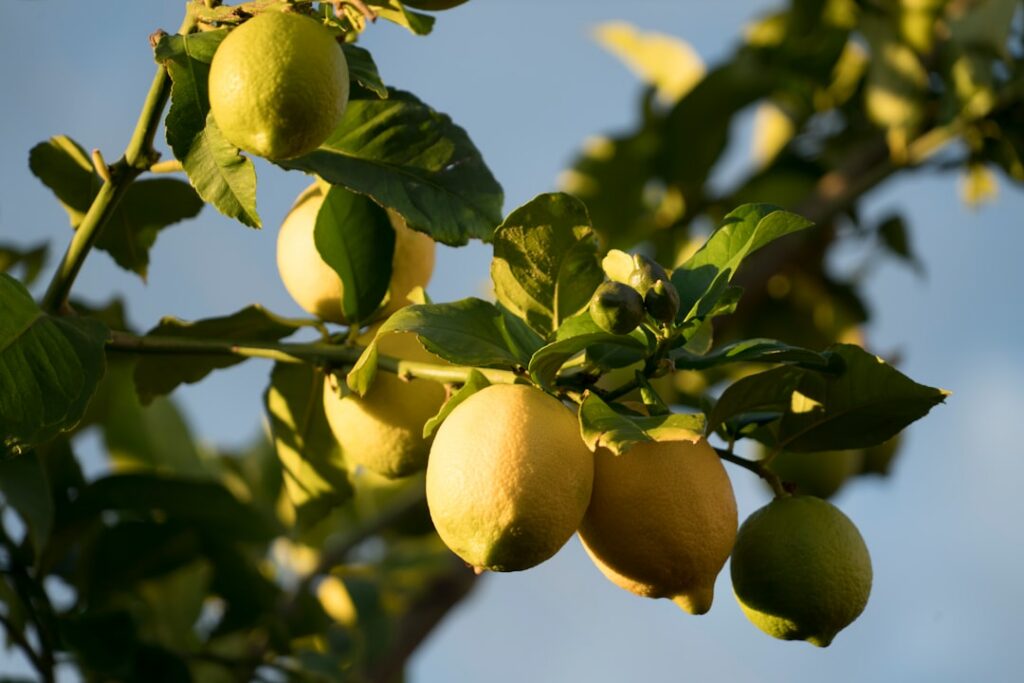
Terpenes like limonene are flavorants and aromatics found in the cannabis plant. Many cannabis connoisseurs have heard about this term, but are unsure why they are so important. Here’s everything you should know about limonene and how terpenes can actually shape the cannabis experience. Understanding Terpenes Terpenes are naturally occurring compounds found in many plants, including cannabis. They are produced and stored in trichomes, which are found in female cannabis plants. Their main purpose is to be aromatics and flavorants, giving cannabis its signature taste and smell. Cannabis aroma and flavor are determined by the overall terpene profile, which can vary depending on the dominating terpene. Different types of terpenes The number of terpenes found across a variety of plants is estimated to be in the tens of thousands. On the other hand, there are over 200 different kinds of terpenes that can be found in cannabis, some being more abundant than others, depending on the cannabis genetics. The most popular terpenes and their signature aromas include: Pinene (crisp, woody, pine-like aroma) Linalool (floral, herbal aroma) Myrcene (musky, earthy, and sometimes exotic aroma) Humulene (earthy or woody aroma) Caryophyllene (woody or spicy aroma) Limonene Limonene is present in citrus fruit...
CBD, or cannabidiol, is one of over 100 naturally occurring compounds known as cannabinoids found in the hemp plant. Unlike its more famous counterpart, THC, CBD is non-intoxicating, which means it doesn’t produce the “high” traditionally associated with cannabis. But “CBD” on a label tells you only part of the story. The other part is what else is in the bottle alongside it. What Is Broad Spectrum CBD? Broad spectrum CBD is a hemp extract that retains most of the plant’s naturally occurring cannabinoids and terpenes, with a notable exception of THC. THC is deliberately removed during processing. The result is a product that offers a more complete experience than CBD isolate without detectable THC. That combination is precisely what many CBD consumers are looking for. Full Spectrum vs Broad Spectrum vs CBD Isolate Understanding broad spectrum CBD is easier when you see where it sits relative to the other two main types: full spectrum CBD and CBD isolate. Full Spectrum CBD Broad Spectrum CBD CBD Isolate THC content Trace amounts (under 0.3%) None (removed during processing) None Other cannabinoids Full range (CBN, CBG, CBC, etc.) Full range, minus THC None Terpenes Yes Yes No Entourage effect Strongest Present, but...