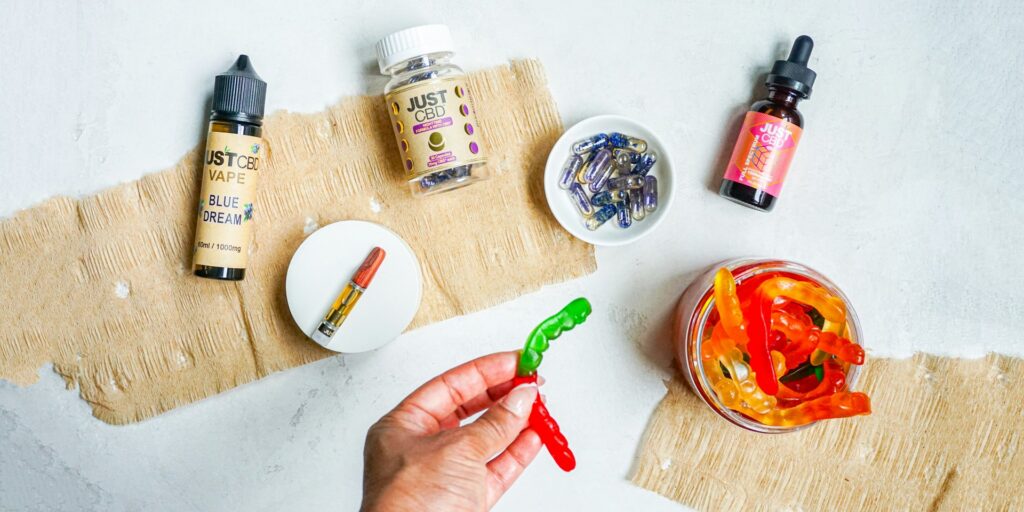
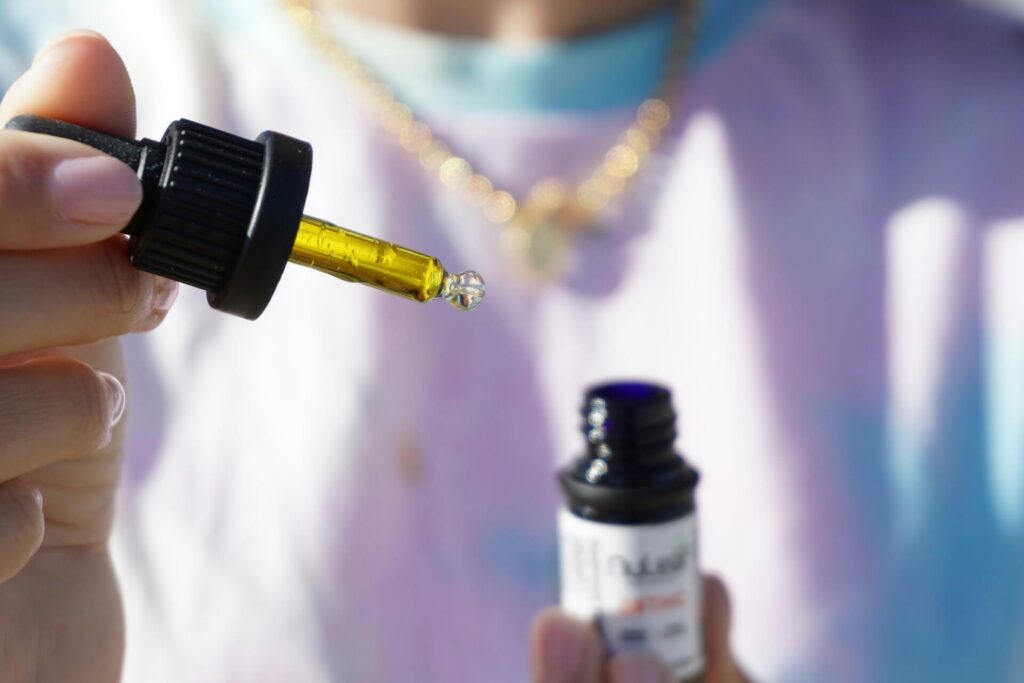
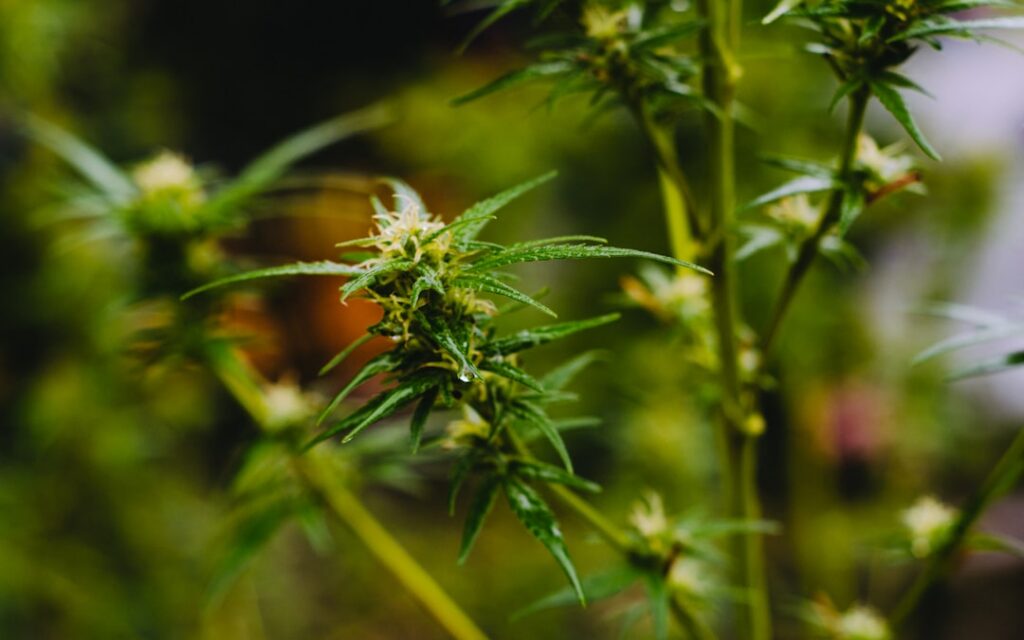
CBD, or cannabidiol, is one of over 100 naturally occurring compounds known as cannabinoids found in the hemp plant. Unlike its more famous counterpart, THC, CBD is non-intoxicating, which means it doesn’t produce the “high” traditionally associated with cannabis. But “CBD” on a label tells you only part of the story. The other part is what else is in the bottle alongside it. What Is Broad Spectrum CBD? Broad spectrum CBD is a hemp extract that retains most of the plant’s naturally occurring cannabinoids and terpenes, with a notable exception of THC. THC is deliberately removed during processing. The result is a product that offers a more complete experience than CBD isolate without detectable THC. That combination is precisely what many CBD consumers are looking for. Full Spectrum vs Broad Spectrum vs CBD Isolate Understanding broad spectrum CBD is easier when you see where it sits relative to the other two main types: full spectrum CBD and CBD isolate. Full Spectrum CBD Broad Spectrum CBD CBD Isolate THC content Trace amounts (under 0.3%) None (removed during processing) None Other cannabinoids Full range (CBN, CBG, CBC, etc.) Full range, minus THC None Terpenes Yes Yes No Entourage effect Strongest Present, but […]
Cannabidiol (CBD) is one of the key non-psychoactive compounds found in the cannabis plant, highly regarded for delivering wellness benefits without the “high” that comes with THC. But not all CBD is created equal. There are full spectrum, broad spectrum, and isolate CBD, and the type used in a product can shape how the product works and what you can expect from it. What Is Full Spectrum CBD? Full spectrum CBD is a cannabis extract that retains the full range of naturally occurring compounds found in the hemp plant. That includes CBD, of course, but also other cannabinoids like CBN, CBG, and CBC, along with terpenes and trace amounts of THC. That trace amount of THC is what sets full-spectrum CBD apart from its broad-spectrum counterpart. Under federal hemp regulations, full spectrum CBD products must contain no more than 0.3% THC by dry weight—far too little to produce a noticeable high, but enough to round out the cannabinoid profile. Full Spectrum vs Broad Spectrum vs CBD Isolate These are the three types of CBD oil and the three terms that get mixed up a lot, so here’s a quick comparison. Full Spectrum CBD Broad Spectrum CBD CBD Isolate THC content...
Does the prospect of walking into a dispensary make you feel confused and scared, like walking into a chemistry class you never signed up for? It really shouldn’t. Cannabis culture wasn’t meant to be intimidating, but inclusive, welcoming, and even laid-back. You’re not the first newbie to walk through those doors, and you won’t be the last. There are no stupid questions, and nobody’s judging you or keeping score. So, welcome, and let’s start from the beginning. What Is Cannabis? Cannabis is a plant that’s been used for thousands of years for medicine, relaxation, and rituals. Today, it’s a legal and regulated product in many states, and people use it for everything from managing chronic pain and anxiety to unwinding at the end of a long day. The cannabis plant contains hundreds of compounds called cannabinoids. The two you’ll hear the most about are THC and CBD: THC (Tetrahydrocannabinol): The compound responsible for the “high.” It’s psychoactive, meaning it affects how you think, feel, and perceive things. THC is what helps many people with pain, nausea, sleep, and appetite. CBD (Cannabidiol): CBD doesn’t get you high. It’s non-psychoactive, but it’s not inert, either, so many people find it helpful for...
Walking into a dispensary these days can feel overwhelming. Cannabis labels are supposed to inform, yet oftentimes, they leave us feeling confused instead. But once you know what to look for, those numbers, symbols, and terms can help you have a more personalized experience. Why Cannabis Product Label Matters Cannabis labels are there to protect you. They tell you what’s in the product, how strong it is, where it came from, and how to use it safely. Knowing how to read cannabis product labels helps you understand potency, anticipate effects, and choose products that fit with your preferences. Key Medical Cannabis Labels Cannabis labels may look packed with information and leave you confused. When you know what to look for, it becomes easy. Here’s a breakdown of the most important things to look for on a product sticker: Potency: Total THC and CBD levels tell you how strong the product is. Product type: Shows the form of the product if not obvious. Strain and terpene profiles: Names the strain the product was made of (indica, sativa, or hybrid) and lists the terpene profile. Dosage: Outlines the recommended serving size and the total cannabinoid content. Compliance and safety warnings: Includes legal...
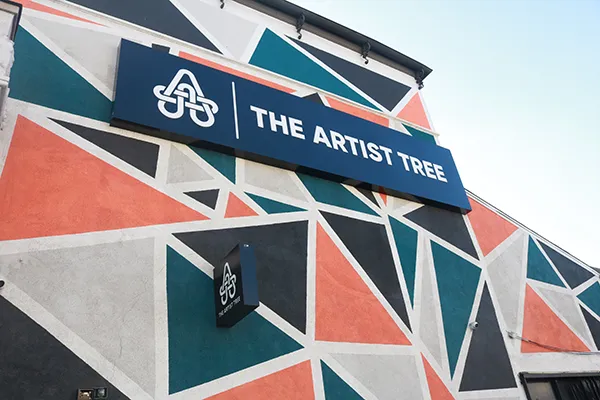
The cannabis industry has a lot of layers, including proper customer service. The best way to gain cannabis knowledge is to do it from someone with qualifications, and that’s exactly what budtenders are there for. The term budtender is made from the word bud, also known as cannabis flower, and the word bartender, someone who works in the customer service industry. Here’s everything you should know about budtenders and why they are important. Why We Call Our Customer Service Experts Guides Instead of Budtenders? Budtenders are one of the essential roles of the cannabis industry, as they have direct interaction with the customers. A classic role of a budtender consists of working in retail, selling, and informing potential customers about cannabis products. While their role involves working in retail, it is much more complex. And at some dispensaries, like at The Artist Tree, budtenders are called guides. The Artist Tree reinvented the traditional concept of cannabis retail, blending it with art, community, and culture. Each location is an interactive art gallery-inspired space, with compassionate guides who share knowledge and fuse cannabis retail with creativity and wellness. The Artist Tree is more than a regular dispensary, offering a special, experience-focused cannabis...
If you’ve spent any time browsing a dispensary menu, you’ve probably seen the word “exotic” thrown around. But what does it actually mean? Is it just marketing, or does it signal something real about the product? What Makes a Strain Exotic? There’s no official industry definition, but in cannabis culture, exotic strains are generally understood to be those that stand out from the standard selection in one or more meaningful ways: Unique genetic lineages: Bred from rare lineages that are not commonly available on the market. Distinctive appearance: Deep purples, vivid oranges, heavy trichome coverage, or unusual bud structure. Unique terpene profiles: Complex and unexpected aroma combinations that go beyond the standard earthy or skunky baseline. High THC potency: Rare strains often test at the higher end of the THC spectrum, though that alone does not make for an exotic strain. Small-batch or craft cultivation: Grown in limited quantities with extra attention to growing conditions, curing, and quality control. Exotic vs. Top Shelf Top shelf and exotic are two terms that get thrown around a lot, and both represent premium cannabis products, making it easy to get confused. They differ in focus. Top shelf: A quality tier, referring to the...
Top shelf is a label that’s been around long before legalization. But what actually makes a flower top shelf, and how do you know you’re getting the real deal and not just paying for marketing? What Is Top Shelf Weed? Top shelf is a catch-all term for cannabis flower of the highest quality in terms of genetics, cultivation, cure, aroma, and potency. The phrase comes from the old selling practice of putting premium products on the top shelf, where they’d get the most attention. Since no regulatory body defines or enforces what “top shelf” actually means, it’s used loosely in today’s cannabis industry. That means that some brands use it as a marketing tool. But that doesn’t mean that the qualities that define top shelf aren’t real. They are—you just need to know what to look for instead of just relying on the label. How Top Shelf Cannabis Is Made The top shelf designation isn’t just about high THC numbers. It’s the result of how carefully the product was handled from harvest to jar. Genetics: Top shelf flower comes from strains that have been selected and refined over multiple generations, not mass-produced from generic seed stock. Growing conditions: Many sought-after...
Cannabis is a plant. It grows from soil, water, and light, and, for most of human history, that’s how it was cultivated. But as the legal cannabis industry has scaled rapidly, the word “organic” has started appearing more and more on dispensary menus and marketing materials. What does it mean, and, more importantly, does it change your experience enough to matter? What Does “Organic” Mean in the Cannabis Industry? In the food industry, the word “organic” has a legal definition backed by the USDA’s National Organic Program. For cannabis, it’s more complicated. Because cannabis remains a Schedule I controlled substance at the federal level, the USDA cannot officially certify cannabis as organic even in states where it’s fully legal. That means when you see “organic” on a cannabis product, it’s not the same certified label you’d see on a carton of eggs or a salad bag. Instead, growers use a range of terms and third-party to signal their growing practices: Clean Green Certified Program: Modeled closely on USDA organic standards, this is one of the most recognized third-party certifications in the industry. Certified Kind: Another third-party program that audits cannabis cultivators for sustainable and organic practices. Sun+Earth Certified: Focused on...
A Day of Art, Film, and Community in West Hollywood The Artist Tree, the leading dispensary and cannabis consumption lounge known for blending art and culture, will host “Studio 420: Celebrating Art & Pride” on Thursday, June 4 from 3:00 to 10:00 PM. The star-studded, Pride event honors LGBTQ+ history and creativity through a vibrant evening of film, art, and community-driven experiences. At the heart of the event is a unique art show. Blending nightlife nostalgia with modern cannabis culture, “Studio 420” invites attendees to explore boundary-pushing art installations, connect with artists, and enjoy elevated NA cocktails, beverages, and cannabis-infused offerings throughout the evening. The event follows a gallery-opening format, bringing together local creatives, collectors, and LGBTQ+ community leaders in celebration of Pride. Brand partners include: All The Bitter, Birdies, Empress 1908 0.0. Indigo, Fever-Tree, Fusion Verjus, Glitter Faced, Henry’s Original, Jetty, Kiva, Liquid Alchemist, PAX, Uncle Arnie’s, and Wyld. Curated by Katie Brightside—an international illustrator, fine artist, and designer whose multidisciplinary work bridges storytelling, fashion, and large-scale installation—the exhibition brings together a group of LGBTQ artists exploring nightlife, queer history, identity, and expression through distinct visual languages. Artists featured include Britt Westveer, Cassidy Barnes, star-dazzling Disco Daddy—whose bespoke crystal...
Cannabis is, at its core, a plant. It comes from the earth, it has traditionally been grown organically, and it carries an inherent connection to nature. But as our industry has scaled and commercialized, I’ve watched that connection erode, replaced by mountains of single-use packaging, non-recyclable vape products, and manufacturing processes that prioritize speed over sustainability. That disconnect has always bothered me. Getting Green Certified by the state of California was our way of doing something positive and impactful. The Artist Tree is now one of the few cannabis companies in California to have achieved Green Business Certification from the California Green Business Network (CGBN). Our Beverly Hills, West Hollywood, and Koreatown locations are all certified, with more on the way. The West Hollywood location holds the distinction of being the first dispensary in that community to achieve Tier 2 Certification — a milestone the city noted in its formal announcement to us. Lauren Fontein, Co-Founder & Chief Compliance Officer But what does this certification actually mean, and why did it matter enough for us to pursue it? Becoming officially certified was important on two levels. First, it confirmed that the sustainable practices we had already put in place were...
Hybrid varieties, formerly known as hybrid strains, are one of the most abundant cannabis types, thanks to the popularization of crossbreeding cannabis plants and creating new, unique strains. Here’s everything to know about hybrid cannabis and how it can affect your cannabis experience. Understanding Hybrid Cannabis Hybrid cannabis is created by crossbreeding two cannabis plants. This is an innovative way to create new, unique genetics with specific physical and chemical attributes, like high levels of THC, CBD, or specific terpenes that deliver specific aromas. There are several types that are determined by the dominating genetics during crossbreeding, including indica-dominant hybrids, sativa-dominant hybrids, and balanced hybrid cannabis strains. Popular hybrid strains include: Ice Cream Cake OG Kush Purple Gelato Wedding Cake Blue Dream Sour Diesel White Widow Pineapple Express Types of Hybrid Cannabis Products There is a wide selection of products made from hybrid cannabis, including flower, pre-rolls, infused pre-rolls, concentrates, edibles, and vapes. What makes hybrid cannabis so appealing is its versatility, as there is a wide variety of products to choose from depending on personal tolerance, preference, and method of consumption. Comparing Indica, Sativa, and Hybrid Strains The most notable difference between the three main cannabis varieties includes their...
Cannabinoids are essential parts of the cannabis world, as a lot of products are made with specific cannabinoids to achieve a desired effect. But there is a distinct difference between synthetic and natural cannabinoids, and here’s how those differences can affect you. Synthetic Cannabinoids Synthetic cannabinoids are lab-made cannabinoids, synthesized to mimic the natural cannabinoids. While these substances are designed to be chemically similar to naturally derived cannabinoids, they are not the same thing. Natural Cannabinoids Phytocannabinoids, also known as natural cannabinoids, are part of the Cannabis sativa plant. There are over 100 different types of naturally derived cannabinoids found in the cannabis plant, with many of them still being researched and discovered. THC and CBD, also known as Tetrahydrocannabinol and Cannabidiol, are the two most common cannabinoids. THC is the most abundant psychoactive cannabinoid responsible for delivering intoxicating effects, while CBD is the most prominent nonpsychoactive cannabinoid. Minor cannabinoids include Cannabinol (CBN), Cannabigerol (CBG), and Cannabichromene (CBC), among others. How do Cannabinoids Work? When they enter the body, cannabinoids interact with the endocannabinoid system (ECS), which is located throughout the body. The endocannabinoid system consists of a network of receptors responsible for several bodily functions. The onset and duration...
Both beginners and seasoned connoisseurs should learn about the contents of things they are consuming. Cannabis contains a large variety of naturally derived compounds, and cannabis products can contain specific components for specific effects. To pick a desired product, understanding TAC is the essential step. Here’s everything you should know about it. What is TAC? TAC stands for total active cannabinoids in a cannabis product. The TAC label can be found on the packaging of any cannabis product from reputable, licensed dispensaries. Some are displayed on the front, while others are on the back of the packaging. TAC can be found across a variety of cannabis products, including: Cannabis flower Pre-rolls and infused pre-rolls Concentrates Edibles Vape cartridges Tinctures TAC can be displayed in several ways, depending on the product type. Edibles like gummies, chocolate, baked goods, as well as tinctures and oils display TAC in mg (milligrams). TAC can also be displayed in percentages, for instance, a product can have 20% total active cannabinoids. Understanding Cannabinoids Cannabinoids are naturally derived chemical compounds found in the cannabis plant. Every cannabis product contains certain cannabinoids, including the most notable ones, THC and CBD. THC, also known as tetrahydrocannabinol, is the primary...